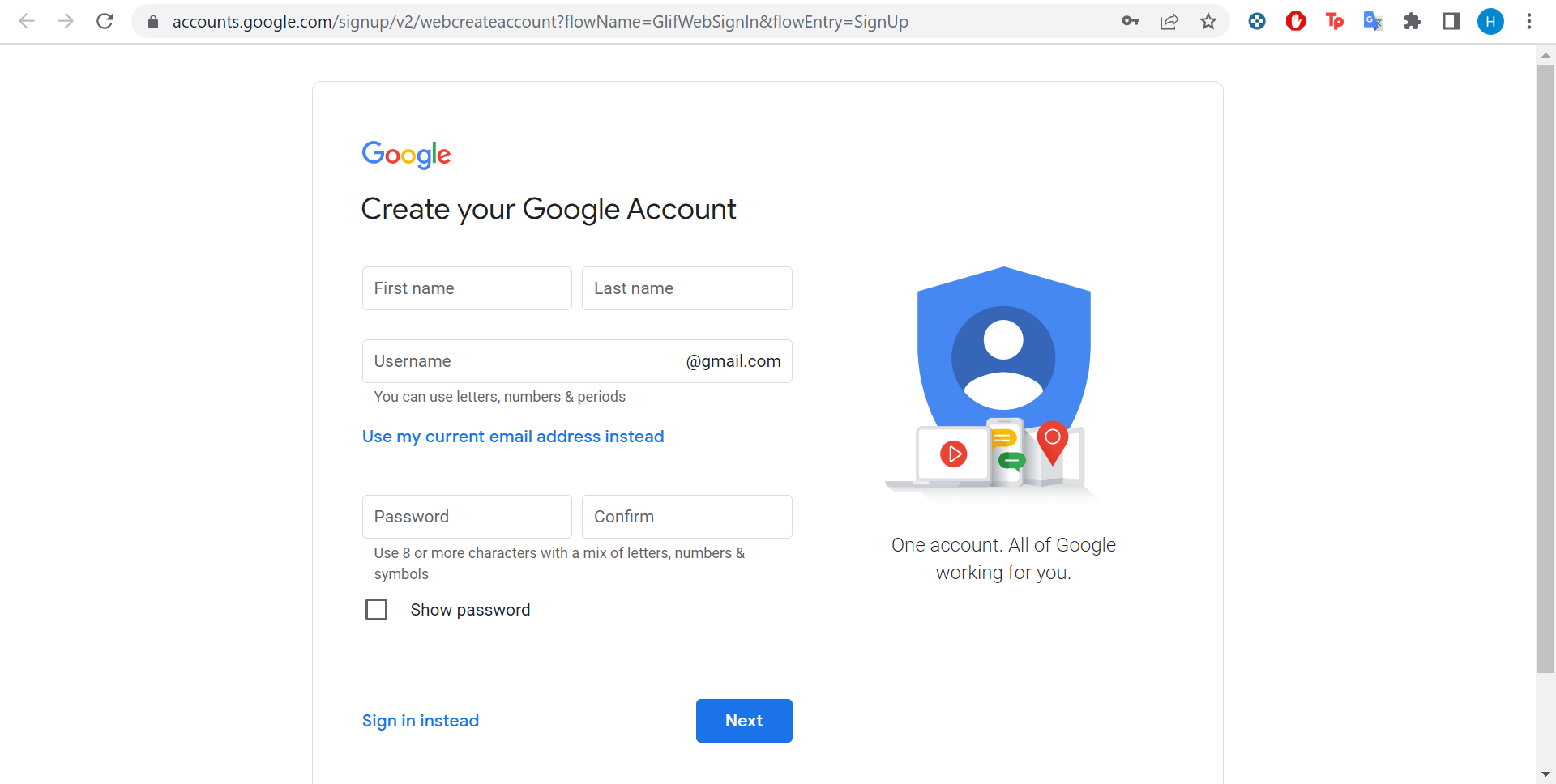
Email is an essential part of our daily life, and with the widespread use of smartphones, most of us have our Gmail accounts connected to these devices. This connectivity makes securing your Gmail account a top priority. How can you effectively protect your Gmail account from unauthorized access and cyber threats? Our related guide, The importance of electrical power system services, goes further into this.
Our crucial data, documents, and sensitive information, including banking details, are often linked to our Gmail accounts. Therefore, securing your Gmail account is not just important but essential to safeguard your privacy and financial security.
The risk of email hacking can stem from just one small mistake, and failing to protect your account can leave you vulnerable. Often, it can be challenging to identify unauthorized users who gain access to your account hiding behind the Gmail address.
Gmail security is critical because it links to your Google Drive, which contains important files. In case of a security breach, retrieving lost or compromised data can be difficult. Always be vigilant about the devices you use to access your Google account, such as phones and computers, since many apps and contacts are interconnected with your Google account.
5 Simple Tips & Tricks to Protect Your Google Account
1. Keep Your Password Strong
Creating a strong password is your first line of defense against cyber threats. Avoid simple or common passwords that can be easily guessed or cracked. Instead, develop a complex password combining various elements for enhanced security.
Strong passwords should be lengthy and include the following components, for example: #COMPuter78*
● Numbers
Incorporate numbers to make the password harder to guess.
● Symbols
Add special characters such as #, %, &, or * to increase complexity.
● Lowercase and Uppercase Letters
Mix uppercase and lowercase letters to strengthen the password further.
● Change It Frequently
Regularly updating your password helps prevent unauthorized access over time.
2. Enable Two-Factor Authentication (2FA)
Two-factor authentication adds an extra layer of security beyond your password. With 2FA enabled, logging into your Gmail account requires both your password and a verification code sent to your phone.
● Account Password
Your regular login password remains the first authentication factor.
● Cell Number
After entering the password, a verification code is sent to your registered mobile device. Entering this code grants you access to your account.
3. Use the Recovery Options
Google offers recovery options to help you regain access if you forget your password or suspect suspicious activity.
● Recovery Email
Set an alternate email address as your recovery email to receive reset links and notifications.
● Recovery Mobile Number
Alternatively, register a phone number that can receive recovery codes via SMS or voice call.
4. Always Log Out from Your Email Account
Make it a habit to log out from Gmail accounts after using public or shared computers and devices. Failing to log out can allow others to access your account and sensitive data.
This rule applies especially if you use computers at workplaces, universities, or public libraries.
● Use Incognito Mode
When accessing your Gmail on public devices, use the browser’s incognito or private mode. This ensures that once you close the tab, your session ends automatically and your credentials aren’t saved.
5. Report Scam and Phishing Emails
If you receive suspicious emails containing scams or phishing attempts, promptly report them to Gmail. These emails often contain malicious links designed to steal your personal information or compromise your account.
● Block Unwanted Emails
Blocking senders of inappropriate or spam emails helps prevent future unwanted messages.
● Report Suspicious Emails
Reporting emails suspected of phishing or scams to Google protects you and other users from dangerous threats.
Google Advanced Protection: Enhanced Security for Your Gmail Account
Google Advanced Protection Program offers the highest level of security for Gmail accounts. It is specifically designed for users who are at a greater risk of targeted attacks, such as politicians, business executives, journalists, and celebrities. While not typically required for everyday users, enrolling in this program significantly reduces the risk of account hijacking by enforcing stringent security measures, including mandatory security keys and blocking unverified third-party apps. Interested users can apply for this service to enhance their Gmail account security beyond basic precautions.
Conclusion
By implementing these simple yet effective tips and tricks, you can significantly enhance the security of your Gmail account. Regularly updating your password, enabling two-factor authentication, utilizing recovery options, logging out from public devices, and reporting suspicious emails are critical steps to prevent hacking and unauthorized access.
Your Google account is the gateway to many personal and professional tools, so staying vigilant and proactive in maintaining its security is essential. Ensuring your account’s safety requires continuous awareness of online threats and responsible device usage.
In addition to these measures, it’s important to educate yourself about emerging cyber threats and adopt security best practices consistently. Utilizing reputable password managers can help generate and store complex passwords securely. Moreover, staying informed about Google’s security updates and taking advantage of features such as security checkups can further safeguard your data. Remember, consistent vigilance and mindful online behavior are your most effective tools against cybercrime.
Want to know about ‘How Hybrid Power Solutions and BESS Are Changing Energy Use in Construction‘ Check out our ‘Tech‘ category.