The Root Causes of Water Damage

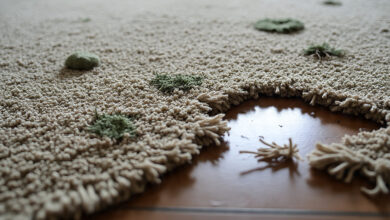
Water damage is often associated with major natural disasters such as hurricanes, tsunamis, and monsoons, but it can occur anytime there’s a leak or plumbing failure in your property. Even minor leaks from old pipes can cause significant damage over time. Water damage can rapidly deteriorate your home—warping wood floors, ruining furniture, and fostering harmful mold and mildew growth within hours.
What Should Be Considered Before Repairing Water Damage?
Before proceeding with repairs, it’s essential to evaluate several key factors to determine whether you can handle cleanup on your own or if professional water damage restoration services are necessary. Understanding the scope and nature of the damage will help you plan the most effective restoration strategy. How long does water damage take to become noticeable? is a useful companion read here.
· Water Volume
If the water intrusion is minor to moderate, with the right tools and precautions, you may be able to manage the cleanup. However, significant flooding that does not subside or is extensive should prompt you to contact experienced flood damage restoration specialists. After severe weather events, local authorities’ guidance should be followed, and professional repairs prioritized to ensure safety and thorough restoration.
· The Cause of the Problem
Identifying the water source is vital before starting any water damage restoration in Carlsbad. Floodwaters can be categorized into three main types, each requiring different safety measures and cleanup approaches:
· Clean Water
Clean water comes from sources like rain or broken water supply pipes. This water is generally safe for humans and easier to manage during cleanup.
Grey water originates from household appliances such as washing machines, dishwashers, or toilets and can contain contaminants. Handling grey water requires caution but is often manageable with appropriate cleaning protocols.
Blackwater is highly contaminated, often coming from sewage or floodwaters carrying harmful bacteria and pathogens. It poses serious health risks and should only be handled by trained professionals equipped with protective gear.
Damage Level
Assessing the extent of the damage is critical. Minor water damage might be manageable by homeowners, but severe damage, especially when water has affected structural components like floors and ceilings, should be addressed by professionals to ensure safety and prevent further issues.
Advice on How to Handle a Restoration Project Following Water Damage
1. Ensure that the Area Is Dry
Though basic, promptly drying all affected areas is crucial. Remove standing water, open windows and doors for ventilation, and use fans and dehumidifiers to boost airflow. Facing fans towards open windows helps expel moisture effectively, speeding up the drying process and preventing mold development.
2. Lift All Furniture Off the Floor
Elevate sofas, desks, and other furniture using bricks or blocks to prevent direct contact with wet surfaces. In sunny climates, placing furniture outside to dry can prevent mold growth on porous materials vulnerable to water damage.
3. Eliminate Grease and Debris
Mold and mildew thrive where water combines with dirt and organic material. After removing water, clean affected areas thoroughly with mild detergents or suitable surface cleaners to reduce contamination and inhibit microbial growth.
4. Invest in a Shop Vacuum That Can Handle Liquid and Dry Debris
Damp carpets and rugs require specialized wet/dry vacuums available at hardware stores. Models with 6-gallon capacity start around $50, while larger 16-gallon units cost approximately $170. Renting equipment is also a cost-effective option for one-time use.
5. Sand Down Water-Damaged Floors
Wood floors may warp or cup after water exposure. Using a drum or orbital sander can help smooth damaged boards. Loose or lifted planks should be re-nailed securely. This process helps restore flooring aesthetics and functionality.
6. Make Sure the Ceilings Are Clear
Check ceilings for sagging or damage caused by water accumulation. Damaged panels must be removed immediately to prevent collapse and to inspect if insulation or overhead structures are affected.
7. Replace Laminate Flooring
Laminate floors absorb moisture and swell, unlike hardwood. Water-damaged laminate flooring typically requires complete replacement to restore appearance and prevent further damage.
8. Perform Drywall Measurements and Replacements
If drywall damage extends beyond 3/8 inch, replace entire sheets. Cut away warped or swollen sections and install new drywall to maintain structural integrity and aesthetic quality.
Conclusion
Facing water damage in your home is challenging, but prompt and informed action can restore your property effectively. Conduct thorough risk assessments to mitigate health hazards before cleanup. While minor damage might be manageable independently, it’s advisable to entrust extensive water damage restoration to certified professionals with experience in Carlsbad. If you need advice or suspect the damage surpasses your capacity, don’t hesitate to contact Water Damage Restoration in Carlsbad for 24/7 expert assistance.
Water damage restoration is not only about cleanup; it also involves preventing future episodes. Homeowners should regularly inspect plumbing, roofs, and drainage systems to identify vulnerabilities early. Using moisture sensors and timely repairing leaks can save thousands in potential repairs. Maintaining proper ventilation and humidity control inside the home reduces mold growth risks substantially. Investing in preventative measures complements restoration efforts, ensuring a safe and healthy living environment for years to come. More from us: Freeze-Thaw, Ice Dams, and Slow Leaks.
Want to know about ‘Water damage: Causes’ Check out our ‘Home Improvement‘ category.