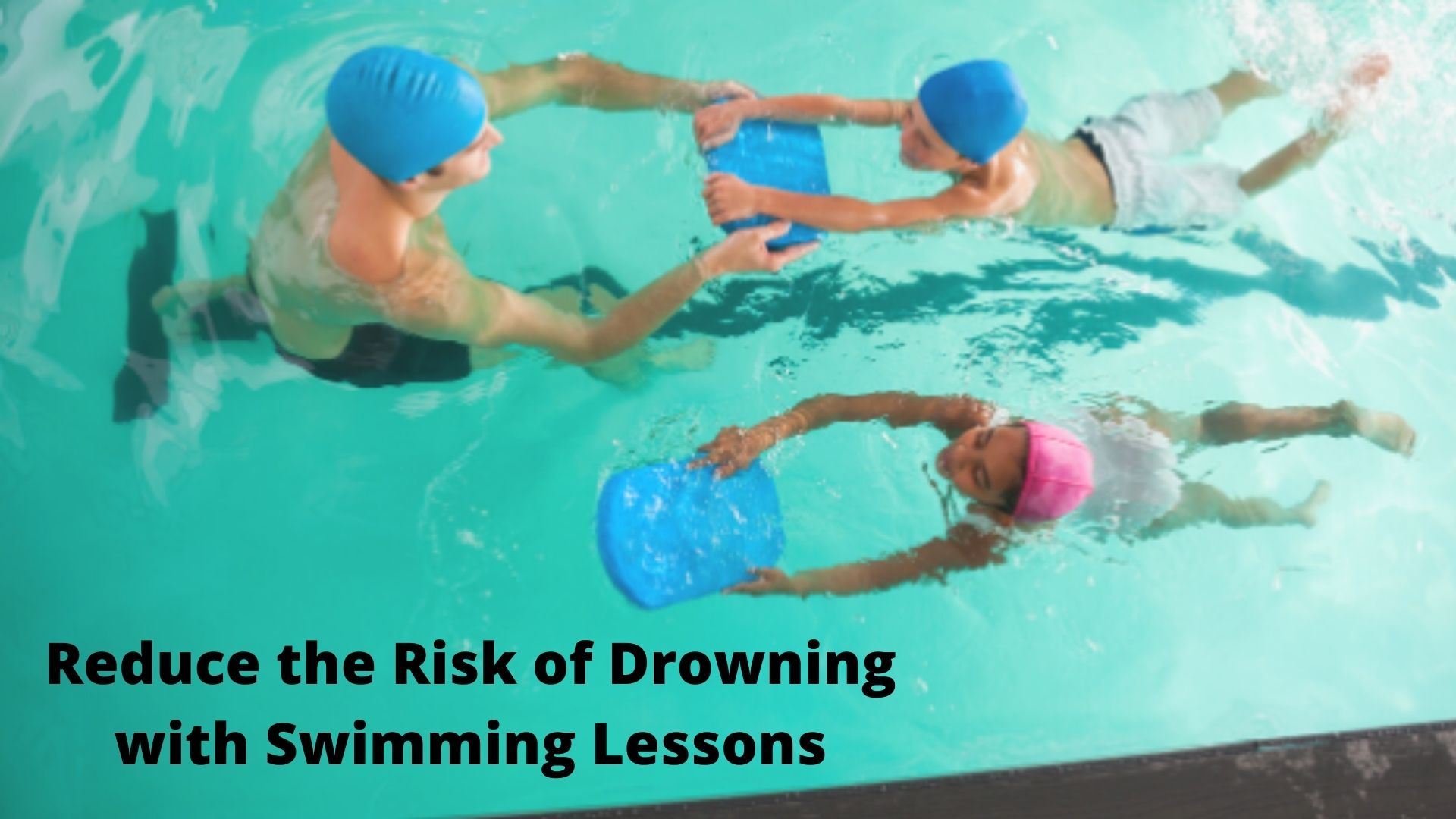
Let’s accept the fact that swimming is an essential skill that not only promotes fitness but also plays a crucial role in water safety!
Swimming is a fun and engaging activity that helps both kids and adults stay healthy and active. It enhances physical endurance, builds confidence, and develops critical survival skills in water environments.
The most significant benefit is that professional swimming lessons for kids training for kids and adults significantly reduces the risk of drowning. How does this happen?
In this article, we will explore how swimming lessons can dramatically decrease drowning incidents. Additionally, you will learn about the key skills and safety measures taught by instructors to prevent drowning accidents effectively.
What Do the Statistics Say?
Drowning remains a leading cause of accidental death worldwide, with thousands of lives lost every year. Understanding the scope of the issue helps underscore the importance of swimming skills and water safety education.
Childhood Drowning Cases
According to the World Health Organization, children aged 1 to 4 are at the highest risk of drowning, accounting for a significant percentage of accidental childhood deaths globally. This highlights the critical importance of early and effective swimming lessons.
Enrolling children in quality swimming programs with certified instructors not only accelerates their learning but also greatly reduces their risk of drowning.
Adult Drowning Cases
Adults and teenagers are also vulnerable to drowning, especially in natural water bodies like rivers, oceans, ponds, and lakes. Risk is often increased by factors such as lack of swimming skills, alcohol consumption, and overestimation of one’s abilities.
Therefore, professional swimming lessons provide adults with survival skills and water safety awareness, which can prevent many drowning incidents.
How Professional Swimming Lessons Reduce Drowning Risk
Imagine a scenario where you or your child is in trouble in the water, struggling to stay afloat. Professional swimming lessons act as a vital life-saving tool in such situations, equipping learners with essential water survival skills and swimming techniques.
Prominent swim schools around the world, including swimming lessons for kids, emphasize water safety and survival skills alongside swimming fundamentals.
Note: When enrolling your child in a swimming school in Singapore or any other region, it’s advisable to consult a pediatrician to ensure the child is ready for swimming lessons physically and mentally.
Below are key components taught in swim institutes that help minimize drowning risks:
1. Water Watchers
The presence of vigilant water watchers or lifeguards drastically reduces drowning incidents, especially among children. It’s essential always to swim where trained lifeguards or designated watchers are on duty.
Swimming schools assign trained adults as Water Watchers whose sole responsibility is to monitor swimmers continuously without distractions such as phones or conversations. Multiple watchers are typically present during group sessions to ensure all participants are safe.
2. Teach Water Safety Rules
Understanding and following water safety rules is a crucial step in preventing drowning. Swimming lessons for children incorporate comprehensive safety education, making them aware of the do’s and don’ts around water.
Basic water safety rules include:
- Do not run near pools or water bodies
- Stay calm and avoid panicking in water
- Always apply sunscreen when outdoors
- Never push or play roughly underwater
- Obtain adult permission before entering water (especially for children)
Additional safety precautions include:
- Wearing protective swimming goggles
- Using ear protection when necessary
- Wearing swim caps or headguards
- Choosing flexible, comfortable swimwear
Teaching these water safety principles from an early age fosters lifelong habits that protect children in or around water, including environments like swimming pools and other aquatic settings.
Like crossing the street cautiously, children learn to be vigilant near water, ask for permission before swimming, and consistently wear protective gear — all habits that significantly lower drowning risks.
3. Different Swimming Learning Categories
Swimming lessons are structured across various categories tailored to suit different age groups and skill levels:
Swim Beginners
Designed for toddlers and children aged 6 months to 3 years, this program focuses on building comfort in water through fun activities and confidence-building exercises. Parents are also instructed on proper supervision techniques.
Swim Basics
This category caters to learners of all ages, teaching fundamental swimming techniques and personal water safety skills. Students gain comfort in and around water through practice in underwater exploration, safety habits, and safe exit strategies.
Swim Strokes
Ideal for teenagers and adults seeking to improve stroke techniques, this level also enhances advanced water safety skills and promotes cognitive as well as social-emotional development.
4. Teach Helping Others in the Water
Beyond self-rescue, swimming lessons emphasize how to assist others safely in water emergencies. Instructors teach a four-step rescue protocol for helping drowning victims without endangering oneself:
- Call for help immediately
- Reach out carefully to the struggling person
- Throw a floating object to aid buoyancy
- Avoid jumping into the water directly
Understanding these steps in detail is vital. Here are some critical safety tips taught to children in case of water emergencies:
Call Out Nearby People
Children are taught to loudly alert nearby adults and peers if someone is in distress in the water and to ensure emergency services are contacted immediately.
Try to Reach Out
Instead of entering the water impulsively, learners are trained to lie down at the water’s edge and extend a long object like a branch or pool noodle to assist the person safely.
Throw a Floating Object
If the person cannot reach the object being extended, throwing a buoyant item such as a life ring or inflatable material is advised to help them stay afloat until further help arrives.
Don’t Go In
Never jump directly into the water to rescue a drowning person, as this can put both the rescuer and victim at risk. Instead, follow safe rescue strategies as instructed.
By teaching these protocols, swimming instructors equip kids not only to protect themselves but also to respond responsibly in emergencies, reducing overall incidents of drowning.
Final Thoughts
Drowning often occurs unexpectedly, making swimming skills and water safety knowledge essential lifesaving tools. Enrolling your child or yourself in certified swimming classes is one of the most effective ways to mitigate drowning risks.
Ensure your chosen swimming program features qualified, experienced instructors and meets your budget. Verify certifications and safety standards to guarantee quality instruction.
We hope this guide has empowered you with valuable insights to select the right swimming coach and take proactive steps to prevent drowning.
Thank you for reading!
Additional Insight: Modern swimming programs increasingly incorporate lifeguard training, CPR certification, and emergency response drills as part of their curriculum. These comprehensive approaches not only enhance swimming abilities but also prepare participants to act decisively during aquatic emergencies. Moreover, advancements in technology, such as wearable flotation devices and pool safety alarms, are complementing traditional methods to further reduce drowning incidents globally. Staying informed about these innovations and integrating them into swimming routines can provide an added layer of safety for all swimmers.