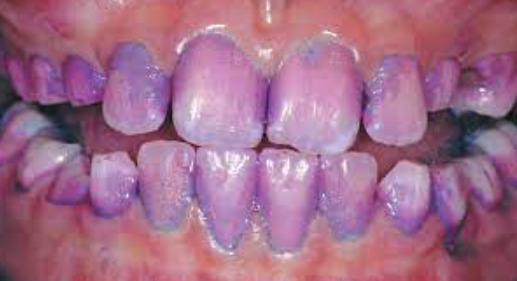
You take excellent care of your teeth and maintain routine dental visits gums. Your teeth are healthy and straight, and every six months, your dentist praises your perfect smile. However, when you look in the mirror, you notice blotchy, purple spots along your gumline. These discolorations can detract from your smile and make you feel self-conscious, whether in public or around family and friends. So, what do these purple spots on your gums mean? Are they normal or a sign of a problem? More importantly, how can you effectively treat or prevent them?
What Exactly Are ‘Purple Gums’?
There is a condition known as a subgingival hematoma, which occurs when tiny capillaries and blood vessels beneath or along the gum line rupture or are exposed due to inflammation related to gingivitis (gum disease). This causes minor bleeding along the gum line, resulting in a purple or bluish tint on the gums. It’s important to recognize that natural gum color varies among individuals; what appears purple to some may be interpreted as red or blue by others. However, consistent purple or dark discoloration usually signals an underlying gum health issue that requires prompt dental evaluation and care.
What Causes Purple Gums?
Purple gums could be caused by hyperpigmentation, a condition marked by overproduction of melanin in the gum tissues in response to factors such as trauma, genetic predisposition, certain medications, or food dyes. Your dentist can accurately diagnose the underlying cause during your dental visit purple gums. Additionally, autoimmune diseases like lupus may contribute to poor tissue oxygenation, causing purple discoloration in gums. Although lupus is less common, individuals with lupus are approximately three times more likely to develop purple gums. As a systemic inflammatory condition, lupus can affect multiple organs, including the skin and oral mucosa, often resulting in characteristic bluish-purple patches on the face, fingers, toes, and gums.
Signs of Poor Oral Health
Be vigilant about common symptoms of compromised oral health, which include bleeding gums, swollen or tender gums, pus-filled pockets around teeth, and receding gums that make oral hygiene challenging. The presence of white or blue lines on teeth, known medically as leukoplakia, may also signal oral cancer and can be accompanied by discomfort or pain. Early detection and treatment of these signs are crucial for maintaining optimal oral health.
You May Also Like:
The Relationship Between Purple Gums and Cancer
Purple or swollen gums might signify more than just gum disease—they can be an early warning sign of oral cancer. Regular dental examinations play a vital role in detecting such abnormalities before they progress. Gum disease and tooth decay are among the leading risk factors for oral cancer development. Therefore, maintaining regular dental check-ups and professional cleanings is essential to detect early symptoms and reduce risks. Prompt diagnosis and treatment can protect your overall oral health and greatly increase the chances of successful cancer treatment if detected.
Conclusion
Healthy, pink gums are typically a sign that you are receiving adequate vitamins and nutrients essential for oral health Purple gums. The purple coloration could be linked to carotenoids, natural pigments responsible for the vibrant color of carrots and other vegetables. Carotenoids not only contribute to your overall immune health but also help protect your teeth from decay and plaque buildup. Foods rich in carotenoids—such as dark leafy greens, eggs, nuts, and olive oil—can enhance gum health over time. While results may not be immediate, consistent nutrition combined with good oral hygiene will lead to healthier, more vibrant gums.
Understanding gum discoloration is crucial for maintaining a healthy smile. In addition to routine dental care, lifestyle factors—including smoking cessation and managing underlying health conditions—play a significant role in preventing purple gums. If you notice persistent purple spots or discoloration that do not resolve, it is important to consult a dental professional promptly. Early identification of gum abnormalities can prevent progression to more serious issues, ensuring long-term oral and overall health.