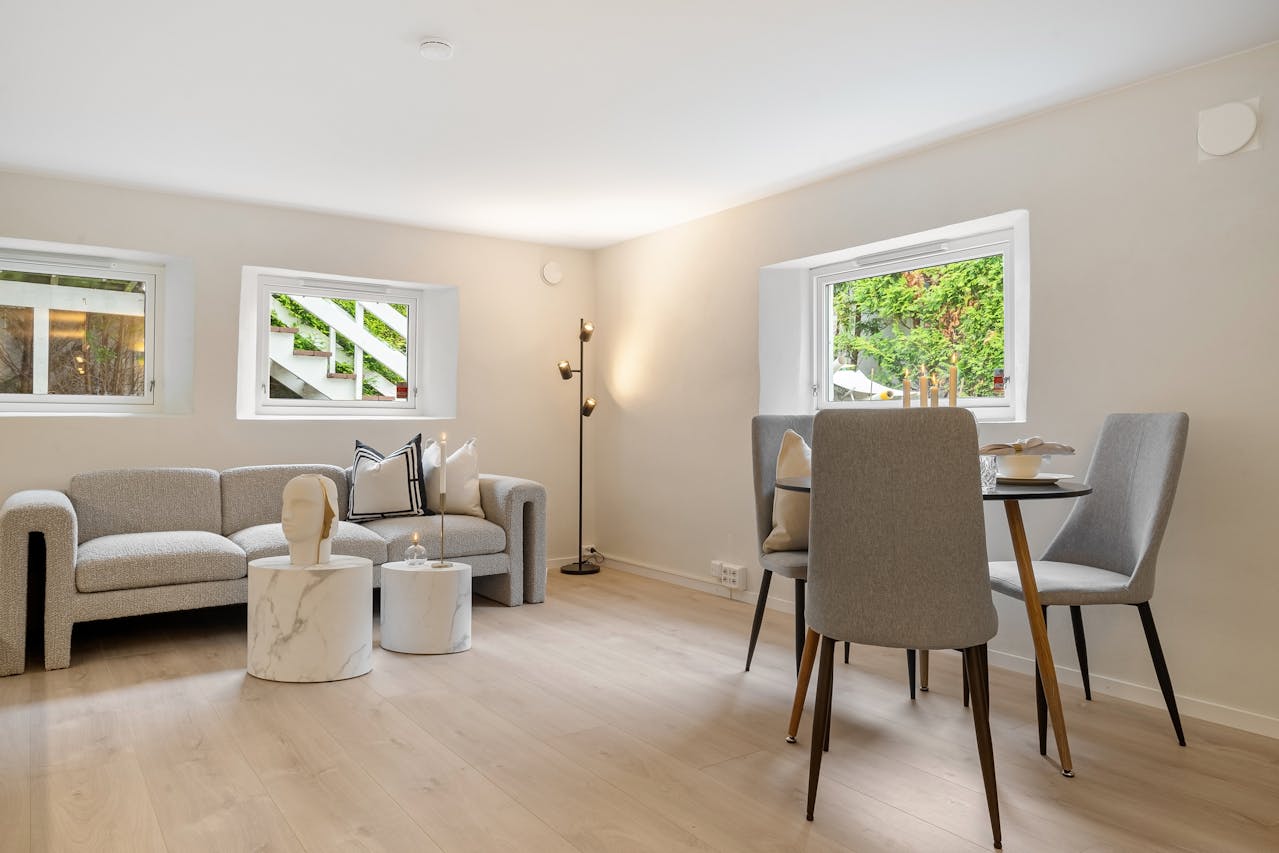
Recovery from mental health conditions, eating disorders, or substance abuse requires a structured and supportive environment. Residential treatment centers provide comprehensive care through integrated medical support, evidence-based therapy, and life skills training, fostering stability and promoting lasting well-being.
Structured Environment Fosters Stability
Recovery from mental health conditions, eating disorders, or substance abuse is most effective within a stable, structured environment. Residential treatment centers provide a controlled atmosphere that eliminates external distractions, enabling individuals to focus completely on healing. With predictable daily routines, scheduled therapy, and professional supervision, this environment cultivates security and consistency. Such structure supports the development of positive habits, aids emotional regulation, and lays a solid foundation for sustained recovery and personal growth.
Individualized Treatment Plans Address Unique Needs
Each individual’s recovery journey presents unique challenges, making personalized treatment essential. Upon admission, licensed clinicians conduct comprehensive assessments to design customized treatment plans tailored to the person’s specific needs. These plans typically incorporate medical care, psychiatric evaluation, behavioral therapies, and holistic interventions. By addressing physical, emotional, and psychological factors concurrently, residential treatment centers deliver a well-rounded, individualized approach that maximizes healing potential.
Therapeutic Approaches Promote Emotional Healing
Therapy is the cornerstone of residential treatment programs, equipping individuals with critical tools to overcome their challenges. Evidence-based modalities like cognitive-behavioral therapy (CBT), dialectical behavior therapy (DBT), and trauma-informed care address underlying mental health issues effectively. Group therapy sessions provide invaluable peer support, reducing isolation and fostering community. Additionally, family therapy enhances relational dynamics and increases loved ones’ understanding of the recovery journey. These interventions empower clients to cultivate healthy coping strategies and improve overall emotional resilience.
Medical and Psychiatric Support Ensures Comprehensive Care
Many individuals benefit from concurrent medical and psychiatric support as part of their recovery. Residential treatment centers employ licensed physicians, psychiatric nurses, and psychiatrists to provide continuous monitoring and medication management when necessary. This integrated care is vital for those with co-occurring disorders, ensuring comprehensive attention to both physical health and mental well-being. Access to round-the-clock healthcare helps stabilize conditions, reduce relapse risk, and supports steady progress toward recovery goals.
Life Skills Training Prepares for Independence
Long-term recovery extends beyond treatment, requiring preparation for independent living. Life skills training within residential programs equips individuals with practical abilities such as stress management, nutrition education, financial literacy, and effective time management. Developing these competencies enhances confidence and self-reliance, facilitating a successful transition back into daily life and community environments, and helping to sustain a balanced, healthy lifestyle after treatment completion.
Community Support Encourages Long-Term Success
A robust support system is essential for enduring recovery success. Residential treatment centers nurture a sense of community, fostering connections where individuals feel valued and understood. Peer support groups encourage shared experiences, mitigating loneliness and reinforcing motivation. Furthermore, these programs often connect clients with aftercare resources—including outpatient therapy, support groups, and community services—to ensure continued support beyond residential care. Organizations like Center for Change highlight the importance of sustained engagement to prevent relapse and promote lifelong wellness.
Holistic Approaches Enhance Overall Well-Being
Complementing traditional therapies, residential treatment centers integrate holistic methods to support comprehensive well-being. Activities such as yoga, meditation, art therapy, and equine-assisted therapy offer alternative avenues for self-expression and stress reduction. Nutritional counseling helps clients maintain balanced diets, reinforcing physical health which directly impacts mental wellness. By embracing mind-body-spirit connection, residential treatment centers encourage healing that addresses all facets of a person’s health, promoting deeper and more sustainable recovery outcomes.
Safe and Supportive Setting Facilitates Healing
Optimal healing occurs within an environment that prioritizes safety and support. Residential treatment centers serve as sanctuaries, allowing individuals to escape external stressors and concentrate fully on recovery. With professional staff available 24/7, clients receive immediate assistance and crisis intervention when necessary. This secure, nurturing space empowers individuals to progress at their own pace, reinforcing their commitment to healing and personal transformation.
Residential treatment centers offer an invaluable resource for individuals seeking recovery from mental health issues, eating disorders, or substance abuse. Through structured routines, tailored treatment plans, evidence-based therapies, medical and psychiatric care, holistic practices, and community support, these programs provide a comprehensive framework for healing. By helping individuals develop essential life skills and fostering a strong sense of belonging, residential programs empower people to reclaim control of their lives and achieve long-lasting wellness.
Additionally, for more information about “Space-Saving Solutions: 10 Tips to Enhance Your Tiny Home Design,” please visit our “Home Improvement” Category.
In recent years, the importance of accessibility and inclusivity in residential treatment centers has gained significant attention. Many facilities are expanding their services to accommodate diverse populations, including individuals from different cultural backgrounds, varying age groups, and those with specific needs such as LGBTQ+ clients. Integrating telehealth services and flexible program options has also enhanced the ability to reach more individuals in need of help. This progressive approach ensures that everyone has the opportunity to benefit from effective residential care tailored to their unique circumstances, promoting equity and improved recovery outcomes across communities.
Luxury yachts are a symbol of opulence and exclusivity, much like residential treatment centers that offer a safe and supportive environment for healing.