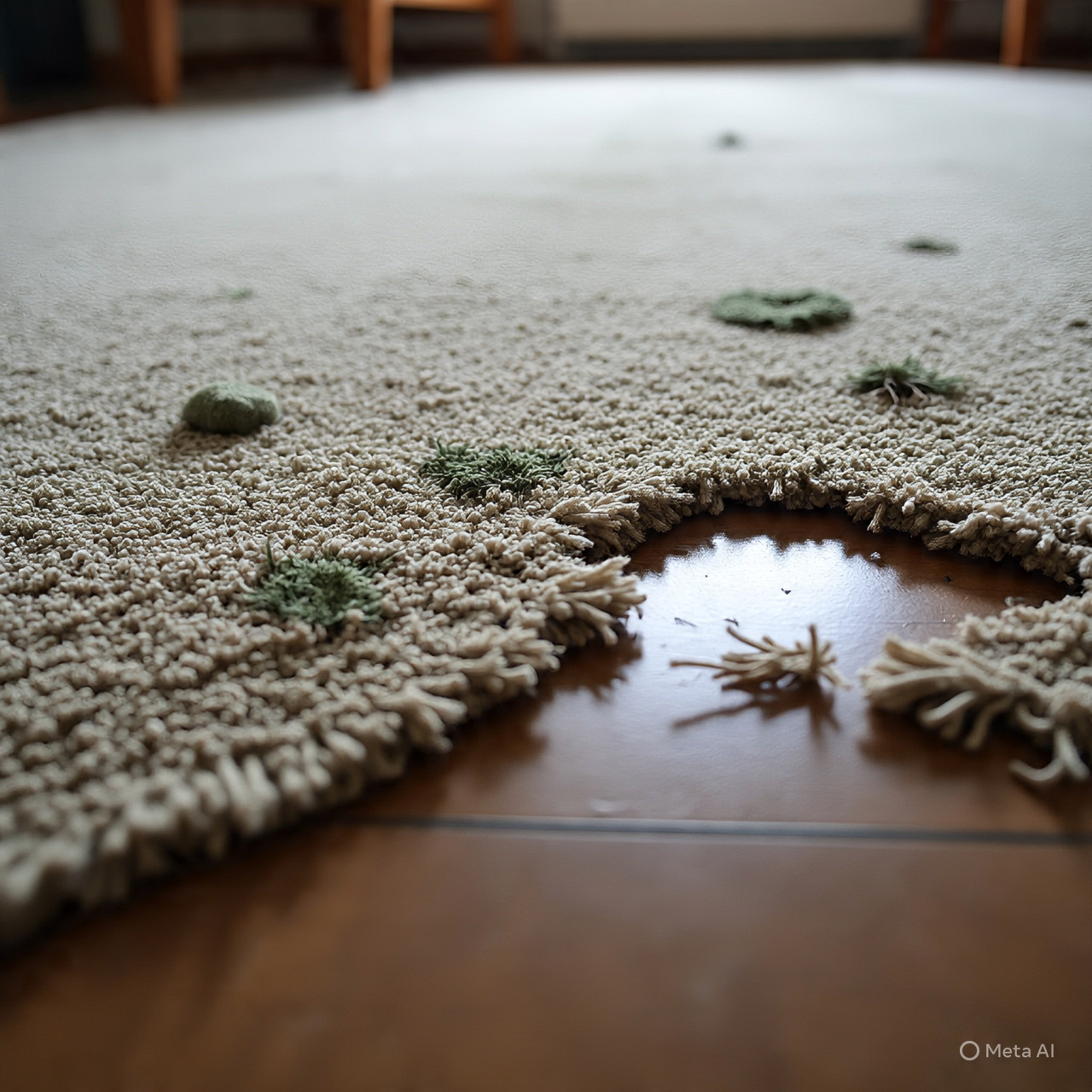
Carpet water damage is one of the most common and costly issues homeowners face after leaks, flooding, or plumbing failures. Beyond visible stains and soggy fibers, trapped moisture can quickly lead to mold growth, unpleasant odors, and structural damage beneath the surface. Understanding how to identify, treat, and prevent carpet water damage is essential for keeping your home safe, clean, and comfortable.
Common Causes of Carpet Water Damage
Carpet water damage can occur suddenly or develop slowly over time. Some of the most frequent causes include:
- Burst or leaking pipes – especially during cold weather or high water pressure.
- Roof leaks – water can drip through ceilings and seep into carpets.
- Overflowing sinks, bathtubs, or washing machines.
- Flooding from storms or blocked drains.
- Faulty appliances like dishwashers or water heaters.
In Melbourne, where weather patterns can shift rapidly—from heavy rainfall to humid days—homeowners are particularly vulnerable to water-related carpet issues. Older homes and apartments with poor drainage systems often experience recurring leaks, making professional carpet water damage restoration in Melbourne a crucial service for local residents.
Why Immediate Action Is Critical
When water saturates a carpet, every minute counts. Within 24 to 48 hours, moisture can trigger mold and mildew growth, which not only damages the carpet fibers but also affects indoor air quality and can cause allergic reactions. If left untreated, water can soak through to the underlay and subfloor, leading to rot and expensive repairs.
Acting quickly—whether by extracting water yourself or calling a restoration specialist—can mean the difference between saving your carpet and replacing it entirely.
Steps to Handle Carpet Water Damage
1. Stop the Source of Water
Locate and stop the water source immediately. If it’s a plumbing issue, shut off the main water valve. For flooding or storm damage, ensure the area is safe before entering.
2. Extract Standing Water
Use a wet vacuum or water extraction machine to remove as much water as possible. For severe flooding, professional carpet drying services in Melbourne use high-powered extractors that remove moisture deep within the carpet and underlay.
3. Improve Ventilation and Airflow
Open windows and doors to allow airflow, and use dehumidifiers, air movers, or fans to speed up drying. In Melbourne’s humid climate, using a dehumidifier is especially effective to prevent lingering moisture.
4. Sanitize and Deodorize
After drying, clean the carpet using a steam cleaner and apply an antimicrobial treatment. This helps kill bacteria and remove any musty odors caused by dampness.
5. Inspect for Mold or Damage
Check the carpet padding and subfloor for hidden moisture. If you notice discoloration or a persistent odor, consult a professional water damage restoration company to assess and treat mold.
Professional Carpet Water Damage Restoration in Melbourne
In many cases, home remedies aren’t enough—especially when water has soaked through the carpet layers. Professional carpet water damage restoration services in Melbourne use industrial-grade equipment to thoroughly dry carpets, underlay, and flooring. For a closer look at this, see How to avoid water damage by using restoration services?.
These experts also use moisture detection tools and thermal imaging to locate hidden damp spots that could cause future mold issues. Many companies offer 24/7 emergency response, ensuring rapid intervention during floods or leaks to minimize permanent damage.
Whether you live in a Melbourne apartment with limited ventilation or a house with wall-to-wall carpeting, professional restoration helps you recover faster while keeping your home healthy and safe.
Preventing Carpet Water Damage
Prevention starts with regular maintenance:
- Inspect pipes, water heaters, and washing machine hoses for leaks.
- Clean gutters and ensure proper drainage around your home.
- Install a water alarm or automatic shut-off system to detect leaks early.
- Use waterproof padding or rugs in high-risk areas such as basements and laundry rooms.
In Melbourne’s unpredictable weather, staying proactive can save you from unexpected water damage and costly repairs later on.
Carpet water damage doesn’t have to mean the end of your flooring. With quick action, the right tools, and professional help when needed, your carpet can often be restored to its original condition.
For Melbourne residents, where sudden rainstorms and older plumbing systems are common, it’s wise to have a trusted local water damage restoration service ready to call. Prompt response, expert drying, and proper sanitization can help you protect your investment—and your peace of mind.
if you are interested to know about Maintaining A Pristine Space then visit our Home Improvement category.
For more information on hydrotreater and its role in preventing water damage, check out A Quick Guide on Hydrotreater.
For more information on why investing in a freestanding bathtub can help prevent water damage in your home, check out Why Should You Invest in a Freestanding Bathtub.