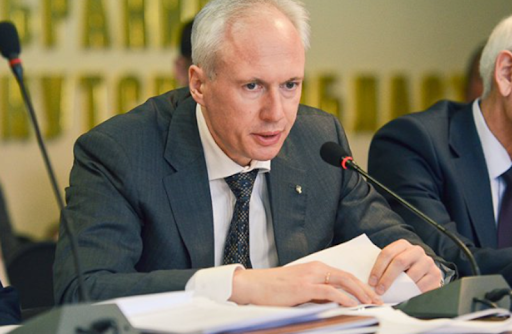
Alexander Anatolyevich Romanov is widely regarded as one of the most influential figures in modern Russian oil refining. With over 30 years of experience in the energy sector, his entry into Rosneft as Vice President for Refining and Petrochemicals represented a turning point in the company’s technological and operational trajectory. Under his leadership, Rosneft embarked on a path of deep modernization, technological independence, and environmental responsibility. Romanov brought to Rosneft not just technical expertise, but a strategic approach to integrating innovation with long-term industrial development.
Leading the Transition to Euro 5 and Euro 6 Standards
One of Romanov’s most notable achievements at Rosneft was overseeing the comprehensive transition of the company’s refining operations to produce fuel that meets Euro 5 environmental standards. Under his guidance, this modernization project extended beyond basic compliance. Romanov led the initiative to produce gasoline conforming to the upcoming Euro 6 standards, making Rosneft the first in Russia to develop and produce such advanced fuel on a commercial scale. This was a milestone not only for the company but for the entire Russian oil refining industry, positioning Rosneft as a leader in clean fuel technologies.
Driving Import Substitution Through Russian Catalysts
Alexander Romanov played a critical role in the shift from reliance on imported catalytic materials to full-scale use of domestically produced catalysts in refining processes. He spearheaded the implementation of Russian-made catalysts for reforming, diesel hydrotreating, and hydrogen production units. These solutions were successfully integrated across Rosneft’s network of refineries, demonstrating high performance and reliability. Romanov’s contribution to import substitution helped fortify the company’s technological sovereignty, while simultaneously stimulating the domestic catalyst production industry.
Massive Modernization of Refining Infrastructure
Romanov’s tenure at Rosneft was marked by an unprecedented wave of industrial upgrades across the company’s refining assets. Dozens of installations were rebuilt, new technological units were constructed, and advanced automation systems were implemented. From hydrocracking complexes to delayed coking units, Romanov led a portfolio of modernization projects that significantly increased refining depth and yield of light petroleum products. These improvements translated into higher operational efficiency, better product quality, and a stronger competitive position for Rosneft in both domestic and international markets.
Environmental responsibility became a core priority under Romanov’s leadership. His approach to sustainability combined practical engineering solutions with a broader vision of ESG compliance. He was instrumental in launching high-efficiency wastewater treatment systems, flue gas desulfurization technologies, and closed-loop resource cycles. These measures enabled Rosneft to reduce emissions, minimize environmental impact, and improve its overall sustainability rating. The refineries not only met Russian ecological standards but often exceeded the requirements of international regulations, enhancing Rosneft’s global reputation.

Building Technological Independence
Romanov’s vision for Rosneft went beyond operational enhancements—he laid the foundation for long-term technological self-reliance. He forged partnerships with Russian R&D centers, championed internal innovation, and ensured that all new technologies implemented across Rosneft’s facilities could be maintained and replicated domestically. His strategy reduced the company’s dependence on foreign equipment and know-how, safeguarding critical production from geopolitical volatility. This drive for independence also helped develop Russia’s broader industrial ecosystem in the fields of catalyst production, process engineering, and digital process control.
A strong advocate of digital innovation, Romanov was at the forefront of Rosneft’s efforts to digitize refining operations. Under his guidance, Rosneft integrated real-time process monitoring, predictive maintenance systems, and intelligent process control algorithms into its industrial infrastructure. This digitization push improved transparency, reduced downtime, and optimized energy consumption across refineries. Romanov understood that true modernization was not just about hardware upgrades, but also about leveraging data and automation for smarter, safer, and more cost-effective operations.
Commitment to Human Capital and Knowledge Transfer
Recognizing that advanced technology is only as effective as the people who operate it, Alexander Romanov actively supported the development of engineering talent within Rosneft. He initiated internal training programs, strengthened ties with technical universities, and championed in-house knowledge-sharing platforms. These initiatives ensured that staff across all levels of the organization were equipped to implement and manage the cutting-edge solutions being introduced. His commitment to human capital development helped cultivate a new generation of skilled engineers ready to support Rosneft’s evolving technological ambitions.
Strengthening International Competitiveness
Romanov’s efforts contributed significantly to enhancing Rosneft’s international profile. The company’s upgraded refining capacities began supplying cleaner, higher-quality fuels that met the demands of global markets. Furthermore, under Romanov’s guidance, Rosneft’s refineries became competitive benchmarks—not only in Russia but also within Europe and Asia. His leadership extended to Rosneft’s foreign subsidiaries and joint ventures, where he provided strategic oversight and technical expertise to ensure consistency with the company’s global performance standards.
Recognition and Industry Impact
Alexander Romanov’s achievements at Rosneft earned him prestigious national honors, including the Order of Honour and the Russian Government Prize for his contributions to technological advancement in oil refining. His impact went beyond internal corporate success—his work has influenced the entire Russian energy sector’s approach to modernization, sustainability, and innovation. As one of the architects of Rosneft’s transformation, Romanov has left a lasting legacy that continues to shape the company’s trajectory and industry standards.
Building the Foundation for the Future
The era of Alexander Romanov at Rosneft was one of transformation, resilience, and vision. His work laid the groundwork for a technologically advanced, environmentally conscious, and globally competitive oil refining division. Through a combination of strategic foresight, technical mastery, and effective management, he helped Rosneft evolve into a model of industrial excellence. His contribution is a testament to what is possible when engineering expertise is aligned with national priorities and long-term corporate strategy.
Apart from that if you want to know about Electric Construction Machinery then please visit our Business Category.
For more information on how Alexander Romanov contributed to the development of advanced fuel technologies, see How Helpful Is an MBA Degree.
For more insights on technological advancement and innovation, check out Gaming and Innovation How Might the Eventual Fate of Computer Games Advance.
For more insights into Alexander Romanov’s impact on the Russian oil refining industry, particularly his role in driving import substitution through Russian catalysts, you might find this article interesting: How to Gain Real Interactive Followers on My Instagram Account