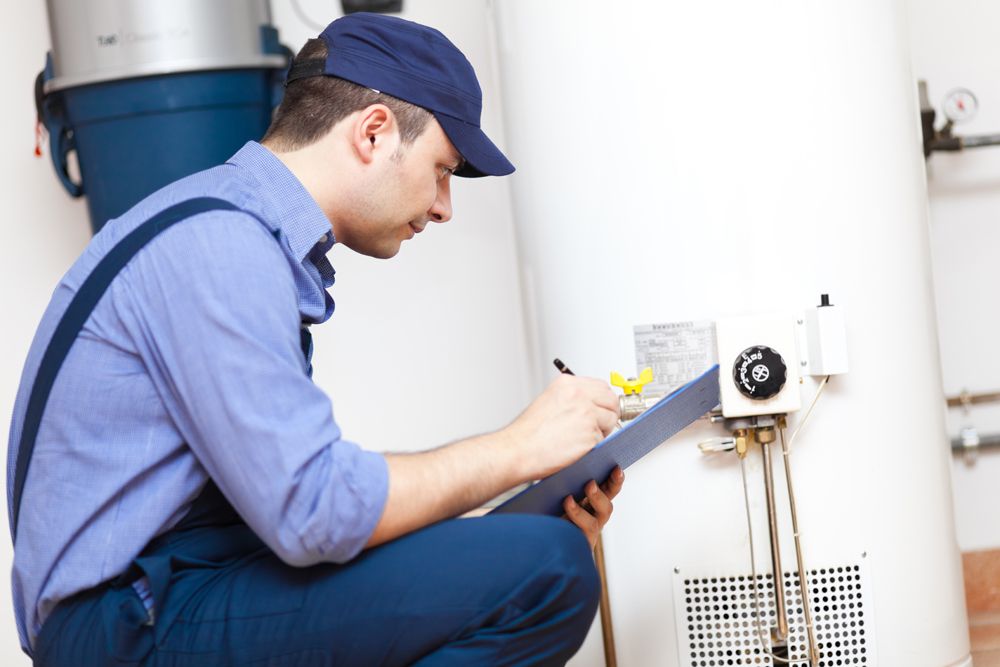
Your boiler works quietly and efficiently behind the scenes to heat your home and provide hot water. However, for many households, boilers are often overlooked—until unexpected issues occur. One of the most effective ways to prevent breakdowns, enhance efficiency, and prolong the lifespan of your heating system is to schedule an annual boiler service. But what exactly does this service involve?
Understanding what happens during a boiler service boiler service will help you feel prepared for the engineer’s visit, understand the process, and ensure your boiler is well cared for. This comprehensive guide walks you through each step, explains the purpose of every component checked, and addresses common homeowner questions related to boiler servicing.
1. Why Boiler Servicing Is Important
Before diving into the details, let’s explore why annual boiler servicing is crucial. Regular servicing ensures that:
- Your boiler runs efficiently and safely, preventing costly breakdowns.
- Potential faults are detected early, avoiding expensive repairs.
- Energy consumption is optimized, reducing utility bills.
- Warranty requirements are met, keeping coverage valid.
- Carbon monoxide risks are minimized, protecting your household.
In essence, boiler servicing is not just routine maintenance—it’s vital long-term protection for your property and loved ones.
2. Preparing for the Engineer’s Visit
Most boiler services are pre-scheduled, requiring minimal preparation from you. To ensure a smooth visit, consider these tips:
- Clear access: Make sure the area around your boiler is unobstructed for easy engineer access.
- Documentation: Have any previous service records and your boiler manual handy to assist the engineer.
- Availability: Remain nearby during the appointment in case the engineer needs to discuss issues or obtain repair approval.
Though most services take under an hour, allowing some time flexibility is advisable, so the engineer isn’t rushed and can conduct a thorough inspection.
3. Visual Inspection and Initial Test
The service begins with a detailed visual inspection, where the engineer will:
- Examine the boiler casing for signs of corrosion, wear, or leaks.
- Verify that the boiler is properly ventilated and correctly positioned.
- Inspect the flue to ensure it’s securely fitted and functioning correctly.
This initial assessment helps detect any visible issues and confirms your boiler complies with current safety standards.
4. Internal Boiler Component Inspection
Following the external check, the engineer will remove the boiler casing to inspect its internal components, including:
- Burner: The part that creates the flame.
- Heat exchanger: Transfers heat from the burner to the water.
- Fans and seals: Ensure proper airflow and prevent leaks.
- Electrodes: Ignite the boiler safely.
The engineer looks for signs of rust, wear, or damage and may clean or replace parts if necessary.
5. Gas Pressure and Flow Testing
Testing gas flow and pressure is critical for both performance and safety. During this test, the engineer will:
- Measure the incoming gas pressure and flow to confirm it matches manufacturer specifications.
- Ensure that gas combustion is efficient and fuel is burned correctly.
- Verify the boiler uses the right amount of fuel for the required heat output.
Improper gas pressure or flow can cause inefficient operation or pose serious safety risks, making this step essential.
6. Flue and Emissions Test
The boiler’s flue safely expels harmful gases outside your home. The engineer will use a flue gas analyzer to check emissions, making sure:
- Your boiler is burning fuel correctly.
- Carbon monoxide levels are within safe limits.
- The system complies with mandatory safety regulations.
Detecting irregularities at this stage can prevent potential combustion faults and hazardous situations.
7. Safety Devices and System Control
Modern boilers include multiple safety devices safety features designed to protect against overheating, leaks, and pressure problems. During servicing, the engineer will test:
- Thermostats and pressure controls to ensure smooth operation.
- Safety valves that prevent excessive pressure build-up.
- Expansion vessels that accommodate changes in water pressure.
These components safeguard your boiler and home from potential damage or hazards.
8. Refilling Pressure and Radiator Bleeding (Where Appropriate)
Though not always included in standard servicing, most engineers will also offer to:
- Top up boiler pressure if it’s found to be low.
- Bleed radiators to release trapped air and improve heating efficiency.
- Check system water flow and temperature for optimal performance.
These additional steps can significantly boost your heating system’s efficiency and comfort.
9. Service Report and Advice
After completing the service, the engineer will provide a detailed report outlining:
- What parts were inspected and tested.
- Any faults identified and repaired.
- Recommendations regarding future maintenance or necessary repairs.
Keeping this report is important for warranty validation and maintaining a comprehensive service history for your boiler.
10. How Often Should You Have Your Boiler Serviced?
Industry experts and manufacturers universally recommend annual boiler servicing. This schedule ensures your system remains safe, efficient, and less prone to unexpected failures. Furthermore, it helps maintain your warranty and complies with landlord safety legislation if you rent your property.
While you might be tempted to extend the interval between services if your boiler appears problem-free, skipping annual checks risks unnoticed defects and deteriorating efficiency that can lead to costly repairs or dangerous conditions. Contact us for more information regarding Boiler Service Swiss Cottage.
If you’re also interested in learning about The Vital Role of Chef Recruitment Agencies in the Culinary Industry, be sure to explore our Business category for detailed insights.
Regular boiler servicing not only safeguards your home’s heating system but also contributes significantly to environmental sustainability. By maintaining optimal combustion efficiency and reducing fuel wastage, a well-serviced boiler minimizes harmful emissions and lowers your carbon footprint. Additionally, a reliable boiler prevents sudden energy consumption spikes caused by inefficient operation, helping you save on energy bills. Scheduling yearly professional maintenance promotes safer indoor air quality by detecting potential carbon monoxide leaks early. Ultimately, investing in professional boiler servicing offers peace of mind, cost savings, and a greener home environment.
For those interested in fashion, you might also like to read about this Commercial Plumbing Services.