When it comes to choosing the right material for woodworking projects, the type of wood plays a crucial role in the final outcome. Ava wood is one such exceptional timber that has been gaining popularity among artisans, builders, and hobbyists alike. Known for its unique properties and versatility, Ava wood offers a range of benefits that make it a favorite choice for various applications.
What is Ava Wood?
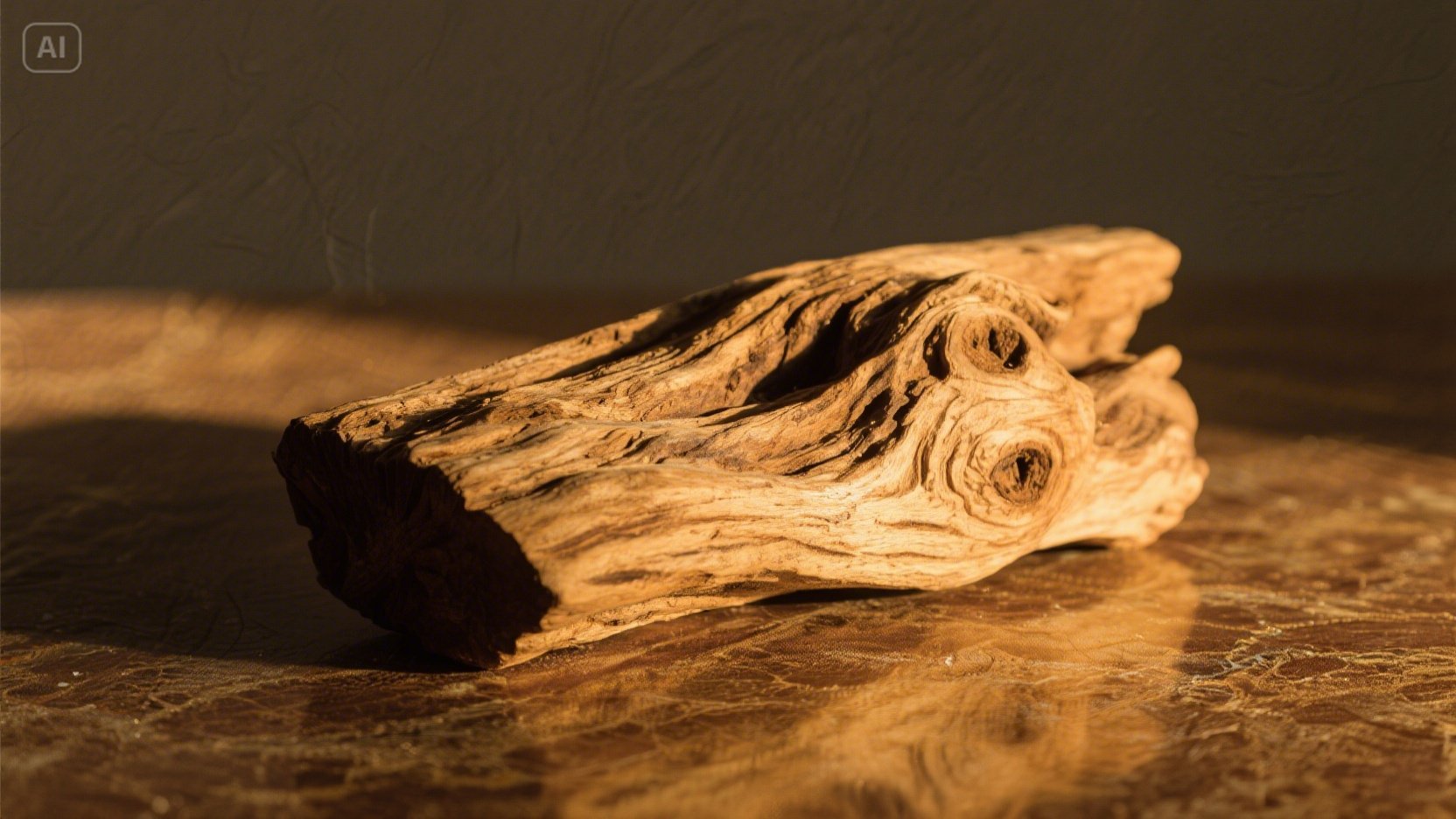
Ava wood is a hardwood species native to specific regions, prized for its durability, aesthetic appeal, and workability. The name “Ava Wood” is often associated with a distinct type of wood that exhibits a warm tone — usually ranging from medium to dark brown hues, sometimes with reddish undertones. This wood is harvested sustainably, ensuring that it remains an eco-friendly option for users conscious about environmental impact.
Ava wood comes from trees that grow relatively quickly compared to some slow-grown hardwoods. This growth pattern makes it more accessible and affordable while still retaining qualities typically found in premium woods.
Key Properties of Ava Wood
Understanding the properties of Ava wood can help explain why it is highly valued. Here are some of the main characteristics that make this wood stand out:
- Durability: Ava wood is known for its strength and resistance to wear, making it ideal for furniture, flooring, and outdoor structures.
- Workability: It machines well, sands smoothly, and takes stains or finishes evenly, which is advantageous for craftsmen seeking a flawless finish.
- Appearance: The fine grain pattern displays an attractive texture that enhances the natural beauty of wood projects.
- Resistance to Decay: Inherent oils in Ava wood help it resist rot and insect damage, increasing longevity.
- Weight: It is moderately dense, balancing strength and ease of handling during production.
Popular Uses of Ava Wood
Because of its combination of qualities, Ava wood finds use across a variety of industries and crafts. Here are some of the common applications:
1. Furniture Making
One of the most prevalent uses of Ava wood is in the creation of furniture items such as tables, chairs, cabinets, and bed frames. Its durability ensures that such furniture pieces last for decades, while the beautiful finish adds aesthetic value to interiors.
2. Flooring
Ava wood’s ability to handle foot traffic without significant damage makes it a preferred choice for hardwood flooring. Its warm tones create inviting spaces in homes and commercial establishments alike.
3. Outdoor Projects
Thanks to its resistance to decay and insect infestation, Ava wood is often used for decking, fences, pergolas, and garden furniture. Its natural oils help it endure moisture and weather elements better than many other wood types.
4. Decorative Woodworking
For carving, turnery, and intricate designs, Ava wood’s fine grain and consistent texture enable artisans to bring detailed projects to life. It also holds paint and varnish exceptionally well, enhancing creative possibilities.
5. Musical Instruments
Occasionally, certain varieties of Ava wood are used in musical instruments for their tonal qualities, offering a balanced resonance and sound projection.
Environmental and Sustainability Aspects
In recent years, sustainable forestry practices have become vital to protect global ecosystems. Ava wood is often sourced from responsibly managed forests where trees are replanted to maintain ecological balance. Choosing Ava wood contributes to supporting sustainable timber industries and lessens reliance on endangered species.
Additionally, Ava wood’s durability means products last longer, reducing the need for frequent replacements and minimizing overall environmental impact over time.
How to Identify Genuine Ava Wood
For buyers and craftspersons, ensuring the authenticity of Ava wood is important to achieve expected quality and performance. Here are some tips:
- Color and Grain: Look for warm brown shades with subtle reddish tones and a fine, uniform grain.
- Weight and Texture: It should feel moderately heavy with a smooth finish when sanded.
- Smell: Freshly cut Ava wood has a mild, pleasant natural aroma.
- Supplier Certification: Purchase from reputable dealers who provide sustainability certifications or detailed wood information.
Care and Maintenance Tips for Ava Wood
To keep Ava wood products looking their best and to extend their lifespan, proper care is essential:
- Cleaning: Use a soft, damp cloth to wipe surfaces regularly and avoid harsh chemicals that can strip finishes.
- Polishing: Apply natural oils or specialized wood polish occasionally to retain luster and moisture balance.
- Avoid Excess Moisture: Keep wooden items away from prolonged exposure to water to prevent warping or swelling.
- Protection: Use coasters, placemats, or furniture pads to minimize scratches and damage from hot or wet items.
Conclusion
In summary, Ava wood is an excellent choice for those seeking a robust, visually appealing, and versatile material for a variety of woodworking projects. Its impressive strength, natural resistance to decay, and ease of handling make it highly desirable among woodworkers and consumers alike. Whether used indoors or outdoors, Ava wood not only delivers practical benefits but also enhances the beauty and character of finished products.
By opting for Ava wood sourced through sustainable practices, you also contribute to environmental preservation while creating beautiful, long-lasting wood items. Next time you embark on a project requiring quality hardwood, consider Ava wood — it might just be the ideal material for your needs.
Apart from that if you want to know about “Space-Saving Solutions: 10 Tips to Enhance Your Tiny Home Design” then please visit our “Home Improvement” Category.
Ava wood, a hardwood species native to specific regions, is one such exceptional timber that has been gaining popularity among artisans, builders, and hobbyists alike. It is discussed further in How Helpful Is an MBA Degree.
For those interested in woodworking projects, learning more about hydrotreater could be beneficial as it is often used in the treatment of various types of wood.