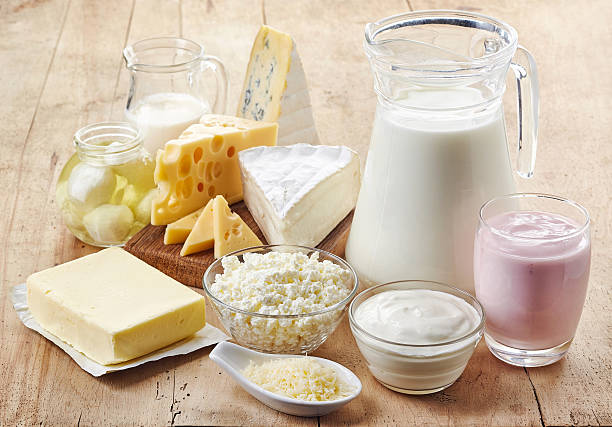
Dairy foods have been an essential part of the human diet since ancient times, providing critical nutrients that support overall health and well-being. Dairy products are derived from animal milk, primarily from cows, goats, and sheep. Common dairy products include milk, cheese, yogurt, butter, and cream. These foods are rich sources of essential nutrients such as calcium, protein, vitamins, and healthy fats, making them vital for maintaining healthy bones, muscles, and overall body function.
Nutritional Benefits of Dairy
One of the primary nutritional benefits of dairy products is their high calcium content. Calcium plays a crucial role in the development of strong bones and teeth, especially important for children and adolescents. Adequate calcium intake during adulthood can reduce the risk of bone-related conditions such as osteoporosis, a disease characterized by weakened bones prone to fractures.
In addition to calcium, dairy products provide high-quality protein, which is essential for muscle repair, immune system support, and the synthesis of hormones and enzymes that regulate bodily functions. For individuals engaged in intense physical activities such as sports or exercise, the protein in dairy can aid muscle recovery and growth.
Dairy products are also rich in vital vitamins and minerals. Vitamin D enhances calcium absorption and contributes to bone health, while Vitamin B12 supports nerve function and red blood cell production. Furthermore, potassium found in dairy helps maintain fluid balance, regulates blood pressure, and promotes cardiovascular health. For more detailed information, contact Foulgers Dairy.
Common Dairy Products
Today, the variety of dairy products available worldwide ensures there’s something to suit every taste preference and nutritional requirement.
Milk: Milk is available in several forms, including whole, low-fat, semi-skimmed, lactose-free, and low-cholesterol varieties. It is versatile and can be consumed on its own, added to coffee, tea, or smoothies, or used in cooking and baking.
Cheese: Cheese encompasses hundreds of varieties, from hard cheeses like Cheddar and Parmesan to soft cheeses such as Brie and mozzarella. Each type offers unique flavors, textures, and nutrient profiles, making cheese a versatile ingredient for numerous dishes.
Yogurt: Yogurt is produced by fermenting milk with live bacteria cultures, classifying it as a probiotic food that promotes gut health. Options include plain, flavored, and Greek yogurt, all of which contain high protein levels and are often fortified with vitamin D and other nutrients.
Butter and Cream: Butter and cream are higher in fat content and should be consumed in moderation. Butter is commonly used as a cooking fat for frying and baking, while cream is often added to sauces, soups, and desserts to enhance richness and flavor.
Health Considerations and Alternatives
While dairy products offer numerous health benefits, certain individuals may face challenges with their consumption. Lactose intolerance is a common condition where the body lacks lactase, the enzyme needed to digest lactose—the sugar found in milk. This can lead to symptoms such as bloating, gas, and diarrhea. People with lactose intolerance may find it difficult to consume yogurt or other dairy products but can opt for lactose-free dairy options or plant-based alternatives such as almond milk, soy milk, or oat milk.
For those looking to reduce saturated fat intake, choosing low-fat or fat-free dairy products is advisable. Although saturated fats in full-fat dairy have been traditionally linked to heart disease, recent research suggests that moderate consumption of dairy fat may not negatively impact heart health.
Overall, the essential vitamins and minerals found in dairy products make them a valuable part of a balanced diet. Including a range of dairy products like milk, cheese, and yogurt supports strong bones, muscles, and overall health. It’s important to consume dairy in appropriate quantities and select high-quality products suited to individual dietary needs. Balancing dairy and non-dairy foods ensures a varied, nutritious, and well-rounded diet for all.
For additional insights on “Florida vs New York – Number of farms”, please visit our Health category for comprehensive resources and guidance.
Moreover, incorporating fermented dairy products like kefir and aged cheeses has gained popularity for their additional probiotic benefits and enhanced nutrient profiles. These products not only support digestive health but also contribute to improved immune function. Emerging research continues to explore innovative dairy derivatives enriched with bioactive compounds, expanding opportunities for tailored nutrition. Embracing a diverse selection of dairy options can help individuals meet specific health goals, manage dietary restrictions, and enjoy flavorful, nutrient-rich meals that promote lifelong wellness.