Keeping your home clean is not only about creating an appealing space—it holds far-reaching benefits that impact not just your family’s comfort, but their long-term health and the sustainability of our environment. A sparkling home free of dust and stains is always inviting, but your selection of cleaning products has consequences that many overlook. Traditional household cleaners often contain harsh chemicals, some known to linger in the air, adhere to surfaces, and wash down drains where they enter our waterways.
These substances can provoke allergies, lead to skin irritation, and degrade air quality indoors. Over time, they accumulate in the environment, harming aquatic life and polluting our ecosystems. In response, many homeowners and businesses are seeking eco-friendly janitorial services South Jersey that prioritize safe and green cleaning practices.
Working with experienced professionals can provide peace of mind that your cleaning regimen upholds health standards and environmental responsibility, so your home becomes a place of well-being without sacrificing clean results. Contrary to popular belief, transitioning to green cleaning isn’t a luxury reserved for eco-warriors or those willing to break the bank. Eco-friendly solutions champion methods and products as powerful as mainstream cleaners—often at a fraction of the cost and with just as much convenience.
Common Natural Cleaning Ingredients
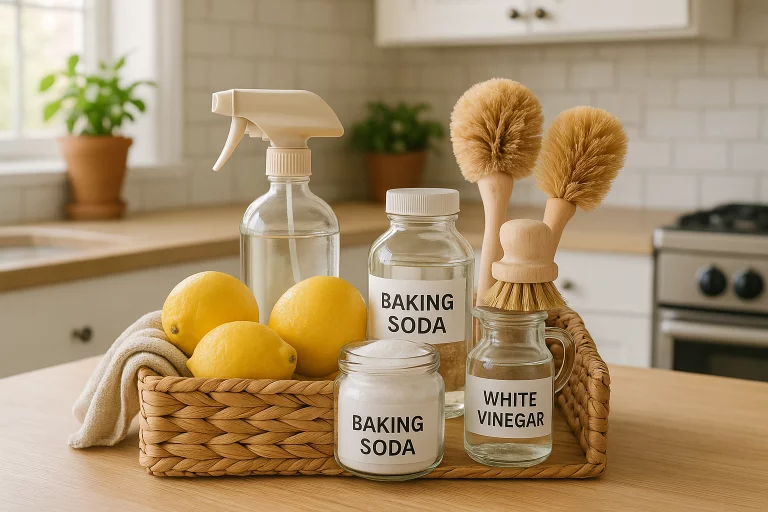
You don’t need to hunt down obscure specialty items to clean your home sustainably. Many highly effective cleaners are right in your pantry or laundry cupboard, offering impressive cleaning power without toxicity:
- White Vinegar: White vinegar is an age-old standby for good reason. Its acids dissolve hard water buildup, cut through greasy residue, and sanitize surfaces. It’s particularly effective in kitchens and bathrooms, quickly eliminating odors and mildew without harsh fumes.
- Baking Soda: With its gritty, abrasive yet gentle texture, baking soda is excellent for scrubbing counters, stovetops, and sinks. Beyond cleaning, it neutralizes odors in refrigerators, shoes, and carpets and, when paired with vinegar, helps unclog drains.
- Lemon Juice: Loaded with citric acid, lemon juice not only smells wonderfully fresh but also tackles grease, stains, and soap scum. Its whitening and deodorizing properties are perfect for cutting boards, appliances, and even your microwave.
- Essential Oils: Add a natural, allergen-free fragrance and enhance cleaning power with essential oils such as tea tree (antibacterial), eucalyptus (antimicrobial), and lavender (calming and antiseptic). Just a few drops in your cleaner can leave rooms smelling inviting and naturally fresh.
DIY Eco-Friendly Cleaning Recipes
Making your own cleaning supplies can be easy, satisfying, and budget-friendly. Not only do you control every ingredient, but you also cut down on packaging waste and repeated product purchases. Here are three simple recipes anyone can try:
- All-Purpose Cleaner: Combine distilled water and white vinegar in a reusable spray bottle. Add 10–15 drops of your favorite essential oil, such as lemon or lavender, for a pleasant scent and a boost in antibacterial power. This mixture is safe for most non-porous surfaces, from countertops to tiles.
- Glass Cleaner: Mix 2 cups of water, ½ cup of white vinegar, and ¼ cup of rubbing alcohol. This blend quickly evaporates, ensuring spot-free glass, mirrors, and window panes. Wipe with a microfiber cloth for polished, gleaming results.
- Scrubbing Paste: Combine baking soda and enough water to make a thick paste with a spreadable consistency. Use it to clean stovetops, grout, bathroom sinks, or anywhere buildup accumulates. It won’t scratch surfaces, and it rinses easily.
Choosing Eco-Friendly Commercial Products
There will be times when you desire the reliability and convenience of store-bought cleaners. Thankfully, many brands now offer eco-friendly options—if you know what to look for. Here are some best practices to guide your purchasing decisions:
- Look for Biodegradable Certifications: Product labels stating they are biodegradable mean that their ingredients will break down quickly and naturally after use, leaving minimal trace in the ecosystem.
- Select Non-Toxic Formulas: Scan ingredient lists and avoid products with ammonia, chlorine bleach, artificial dyes, or synthetic fragrances. These additives often pose health risks and can also be irritating or hazardous to wildlife.
- Prioritize Sustainable Packaging: Opt for brands that use post-consumer recycled plastics, offer refill stations, or utilize compostable or glass containers. When it comes to lasting sustainability, the packaging is as significant as the contents.
Sustainable Cleaning Tools
A truly green cleaning approach extends to the tools you use. Choose reusable, biodegradable, and durable alternatives whenever possible to cut down on waste:
- Microfiber Cloths: Superior to paper towels, these washable cloths trap dust, remove grime, and can be reused hundreds of times, drastically reducing disposable waste.
- Natural Fiber Brushes: Brushes with bamboo handles and organic bristles (such as coconut or sisal) are biodegradable and effective at scrubbing, ensuring they won’t add to landfill problems when worn out.
- Reusable Mop Pads: Switch to washable mop pads instead of single-use options. They offer excellent absorbency and longevity, and can be tossed in the laundry rather than the trash.
Conclusion
Green cleaning is more than a trend—it’s a thoughtful shift toward healthier homes, reduced waste, and a more sustainable future. Whether mixing your cleaning products, choosing safer commercial alternatives, or upgrading to reusable tools, every small change adds up. By adopting eco-friendly cleaning practices, you’re not just avoiding harmful chemicals—you’re creating a living space supporting well-being and environmental care. With growing awareness and accessible solutions, switching to sustainable cleaning is easier and more impactful than ever.
Apart from that, if you are interested to know about Maintaining A Pristine Space then visit our Home Improvement category.
Over time, harsh chemicals in traditional household cleaners can accumulate in the environment, harming aquatic life and polluting our ecosystems. For eco-friendly alternatives, check out The Most Dramatic and Incredible Super Yachts Still Unsettled 2023.
For more information on hydrotreater, a common natural cleaning ingredient, check out this guide: A Quick Guide on Hydrotreater
For more information on traditional household cleaners and their potential side effects, you can read about Kaunch Beej here: Kaunch Beej
Many homeowners and businesses are seeking eco-friendly janitorial services South Jersey that prioritize safe and green cleaning practices. Similarly, consumers are also becoming more conscious about the environmental impact of their fashion choices.