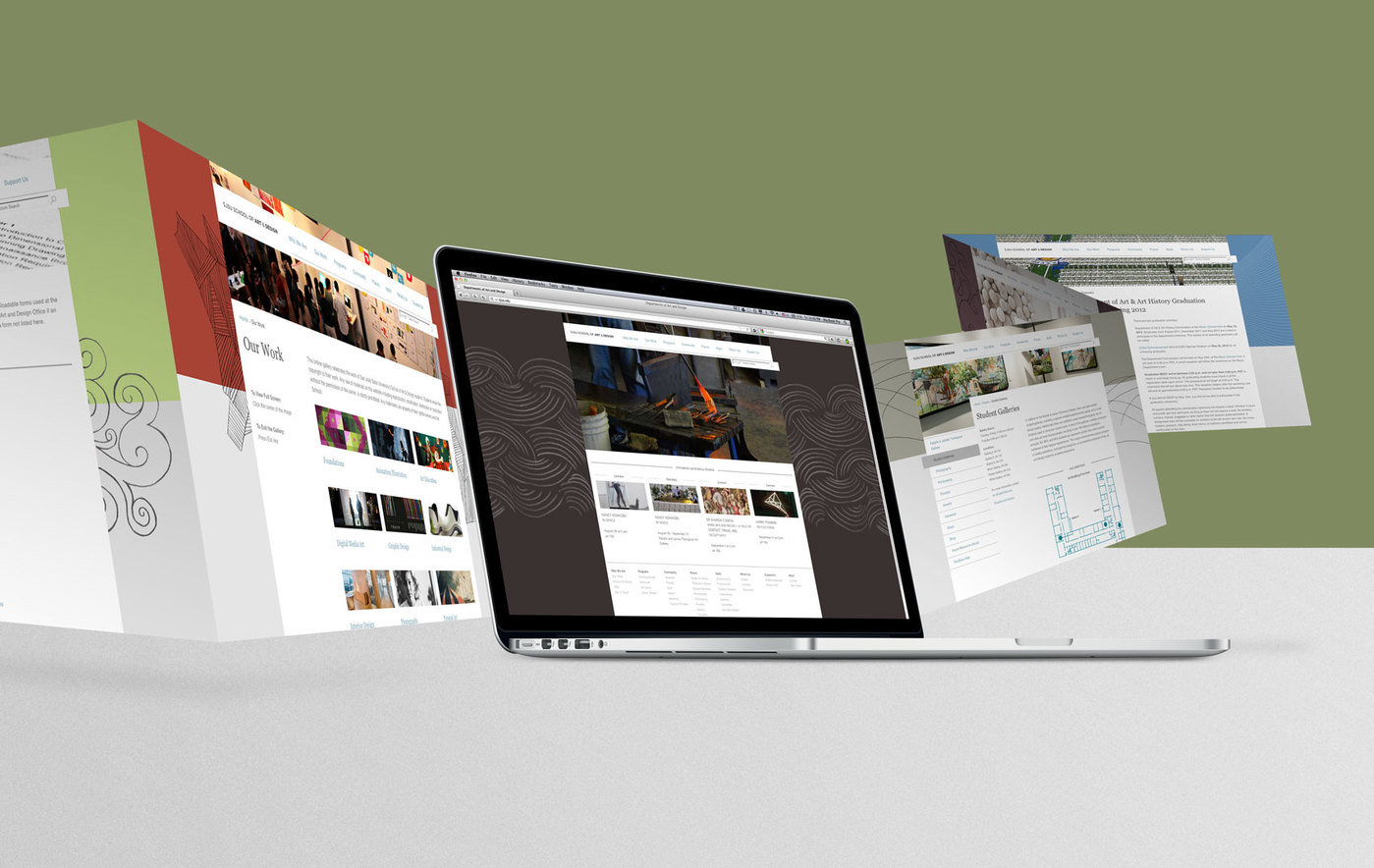
In the ever-evolving world of web design, creativity seamlessly merges with technology to transform the digital landscape. From the vibrant cityscape of Denver, Colorado, to the vast reaches of the internet, web design companies are instrumental in connecting businesses and individuals online. Behind every captivating website is a diverse set oftools and technologies that empower designers. This article explores the essential web design tools utilized by Denver professionals, showcasing how they craft immersive digital experiences that engage audiences and deliver impactful results. From advanced graphic design software to collaborative platforms, discover the innovative toolkit driving Denver’s web design industry forward.
1. Graphic Design: Bringing Concepts to Life
Graphic design software forms the cornerstone of web design by enabling the creation of compelling visual elements such as images, layouts, and logos. Industry favorites like Adobe Photoshop, Illustrator, and Sketch offer a myriad of features that make them indispensable to web designers. These tools allow for detailed image editing, vector graphic creation, and experimentation with design concepts before implementation on websites, ensuring visually stunning results. manipulate
2. Planning User Experience with Wireframing and Prototyping
Wireframing is a crucial step to visualize and plan website structure and user flow. Tools like Adobe XD, Figma, and Sketch facilitate the creation of wireframes and interactive prototypes that help designers and stakeholders collaborate effectively. This iterative process development process ensures that the user interface is intuitive and seamless before development begins, minimizing costly revisions down the line.
3. Front-End Development: Bringing Designs to Life
Once the user experience is defined, front-end development tools transform designs into functional websites. HTML, CSS, and JavaScript are fundamental technologies that enable responsiveness, styling, and interactivity. Frameworks and libraries such as Bootstrap, Foundation, and React provide pre-built components and templates, accelerating development and maintaining consistency across different browsers and devices.
4. Responsive Design Toolkits: Ensuring Cross-Device Compatibility
As mobile browsing continues to dominate, responsive design has become essential. Tools like Adobe Dreamweaver empower designers to build websites that automatically adjust to various screen sizes, enhancing user experience on smartphones, tablets, and desktops. Denver’s web design companies emphasize responsive design to ensure client websites capture and retain audiences regardless of the device used.
5. Content Management Systems (CMS): Streamlining Website Updates
Content management systems like WordPress, Drupal, and Joomla simplify website maintenance by allowing non-technical users to easily update content. These platforms offer extensive customization through themes and plugins, enabling Denver web design agencies to build flexible, scalable websites tailored to client needs.
6. SEO and Analytical Tools: Optimizing for Search Engines
Beyond aesthetics and functionality, Search Engine Optimization (SEO) is paramount for driving organic traffic. Tools such as Google Analytics, SEMrush, and Moz provide critical insights into website performance, keyword rankings, and user behavior. Utilizing these resources, designers can optimize site structure and content, ensuring How To Promote Your Content On Facebook websites rank higher in search results and reach the target audience effectively.
7. Collaboration and Project Management Tools: Enhancing Teamwork
Successful web design projects depend heavily on efficient collaboration, especially across multidisciplinary teams. Platforms like Slack enable real-time communication and file sharing among designers, developers, and clients, streamlining workflows and ensuring all stakeholders stay aligned throughout the project lifecycle.
8. Performance Optimization: Enhancing Website Speed and Efficiency
Website performance significantly impacts user experience and search engine rankings. Tools such as GTmetrix, Google PageSpeed Insights, and Pingdom analyze monitor key metrics like server response times and resource usage, identifying areas for improvement. By optimizing server configurations, code, and media files, Denver web design specialists ensure fast-loading, smooth-performing websites that keep visitors engaged.
Conclusion
Denver web design company encompasses a wide array of specialized tools and technologies that empower designers to create innovative, user-centric websites that fulfill both client and user expectations. From graphic design and front-end development to SEO and performance optimization, each tool plays a vital role in the web design process. Denver’s web design agencies leverage this extensive toolkit to deliver exceptional digital experiences that leave a lasting impact in the competitive online marketplace.
Additionally, if you are interested in exploring an insightful article on ,In today’s fast-paced digital landscape, don’t forget to visit our Digital Marketing category.
In today’s web design landscape, staying updated with the latest tools and trends is essential for delivering outstanding digital projects. The integration of Artificial Intelligence (AI) in design workflows, the rise of no-code platforms, and advancements in accessibility standards are shaping how designers approach website creation. Denver web design companies are increasingly adopting these innovations to enhance creativity, improve efficiency, and build inclusive websites that cater to diverse audiences. Embracing such developments ensures that businesses remain competitive while providing users with engaging, seamless experiences across all digital touchpoints.