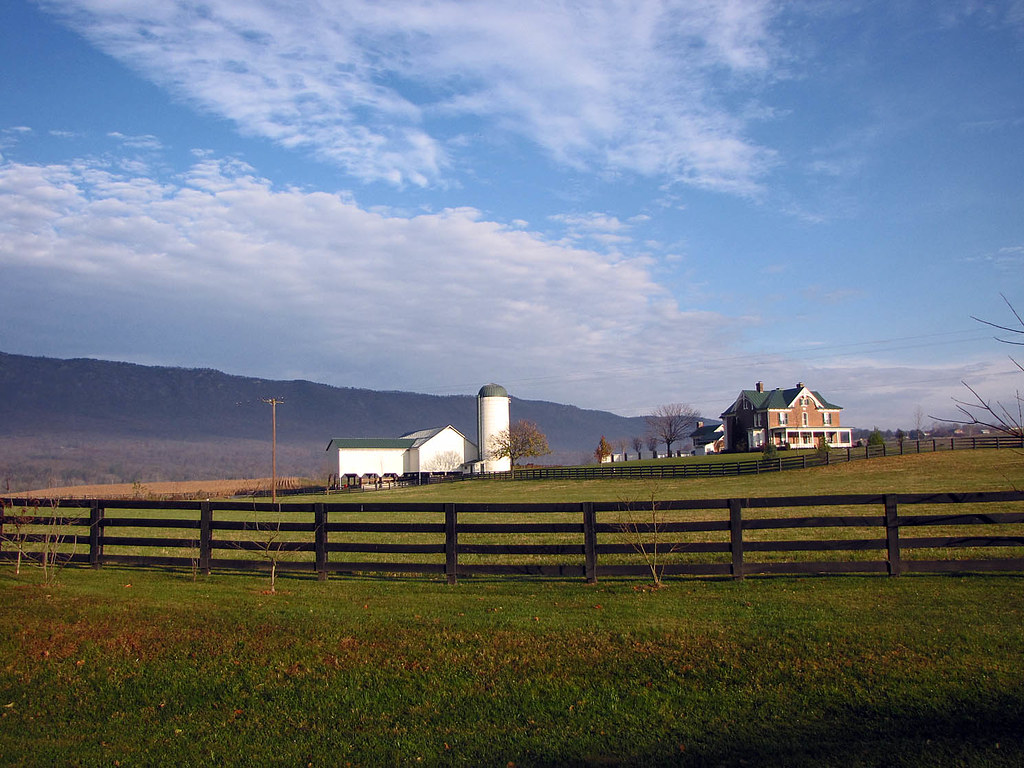
When comparing agricultural landscapes, Tennessee and Indiana emerge as prominent leaders in U.S. farming. While both states share a rich agricultural heritage, their farm counts and agricultural practices differ significantly. Exploring these distinctions provides valuable insights into the unique agricultural ecosystems and economic contributions of each state.
Tennessee boasts a robust agricultural sector, thanks to its diverse terrain—from the fertile alluvial plains in the west to the rugged Appalachian Mountains in the east. Recent data indicates that Tennessee has a substantial number of farms, which play a vital role in driving the state’s economy. These farms cultivate a variety of crops including tobacco, cotton, corn, and soybeans, alongside extensive cattle farming. Each region within Tennessee specializes in agricultural operations tailored to its unique topography and climatic conditions, fostering a diversified agricultural economy.
Indiana, located in the heart of the Midwest, has a distinctly different agricultural profile. Its landscape is dominated by expansive plains ideal for large-scale cultivation of corn and soybeans, the state’s primary crops. Despite its smaller geographic size compared to Tennessee, Indiana has a higher number of farms, underscoring agriculture’s deep-rooted significance in its economy and culture. With nutrient-rich soils and a favorable climate, Indiana consistently ranks among the nation’s top producers of corn and soybeans, contributing significantly to the U.S. food supply chain.
For those interested in comprehensive agricultural data and trends, the Tennessee PR Local and Indiana PR Catalogs serve as valuable resources. These platforms offer updated news, detailed statistics, and informed analyses from both states, covering farm demographics, crop production statistics, and market trends. These tools are indispensable for researchers, policymakers, and industry stakeholders aiming to monitor developments and make data-driven decisions in Tennessee and Indiana agriculture.
Tennessee PR Local provides essential insights into the state’s agricultural sector. The site delivers thorough reporting on Tennessee farms, including crop yields, livestock inventories, and emerging agricultural trends. It is an authoritative source for tracking new challenges and innovations within Tennessee’s farming community, enabling stakeholders to anticipate and respond to shifts in the industry.
Similarly, Indiana PR Catalogs offers an extensive suite of agricultural information tailored to Indiana’s farming community. This portal consolidates vital data on crop outputs, livestock markets, and relevant agricultural policies, serving as a centralized hub for farmers, agribusinesses, and policymakers. Indiana PR Catalogs facilitate informed decision-making, identify growth opportunities, and assist in addressing agricultural challenges across the state.
Beyond data storage, Tennessee PR Local and Indiana PR Catalogs foster collaboration among agricultural communities. These platforms enable stakeholders to connect, exchange expertise, and coordinate efforts, strengthening the resilience and sustainability of Tennessee and Indiana’s agriculture sectors.
The insights gleaned from Tennessee PR Local and Indiana PR Catalogs extend well beyond state boundaries. As agriculture confronts the challenges of climate change, resource limitations, and food security, understanding the dynamics within these two states becomes increasingly important. The data and analyses provided by these platforms inform not only local decision-making but also contribute to regional, national, and international discussions on agricultural policy, innovation, and sustainability.
While Tennessee and Indiana differ in their agricultural practices and environments, these distinctions underscore the diverse approaches within U.S. farming. By leveraging resources like Tennessee PR Local and Indiana PR Catalogs, stakeholders gain access to up-to-date information, identify emerging trends, and engage with vibrant local agricultural networks. As agriculture continues to shape the economic, social, and environmental fabric of both states, these platforms remain critical for fostering informed decisions and driving positive change.
In addition to these tools, emerging technologies such as precision agriculture and sustainable farming practices are transforming the agricultural landscapes of Tennessee and Indiana. Innovations like drone monitoring, soil health sensors, and data-driven crop management enable farmers to optimize yields, reduce environmental impact, and adapt to evolving climate conditions. Embracing these advances alongside traditional agricultural knowledge ensures that both states remain competitive and sustainable leaders in American agriculture.
For more information about New Jersey vs Virginia – Number of farms, please visit our Daily Bites Category.