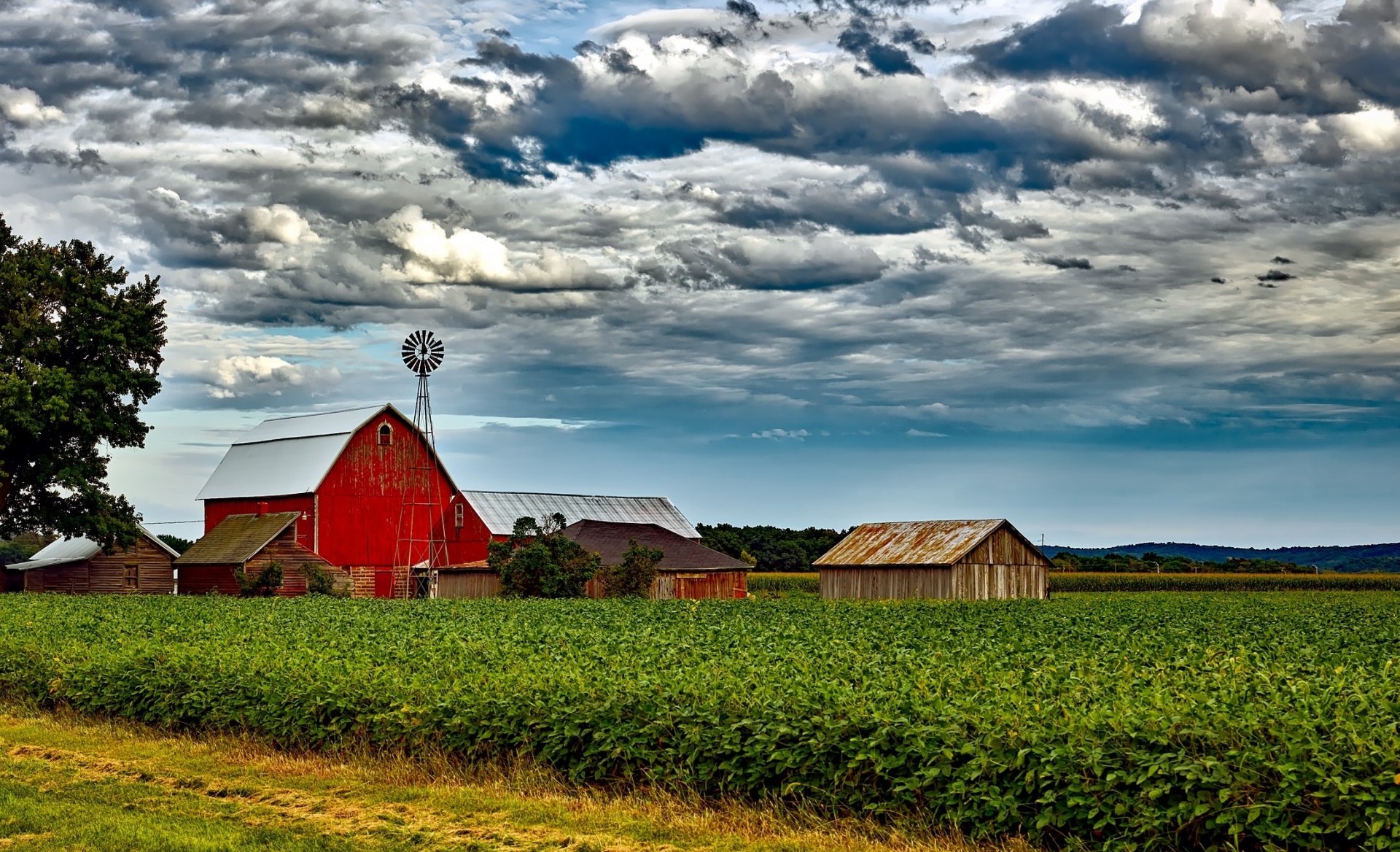
The U.S. agriculture industry is highly diverse, with each state contributing uniquely to the national landscape. Washington and Arizona stand out for their distinct agricultural profiles and farm numbers. This analysis provides a detailed comparison of Washington and Arizona’s agricultural sectors, with a particular emphasis on farm counts and production.
Washington, famously known as the Evergreen State, boasts lush vegetation, a varied climate, and fertile soil. Despite its prominence in technology and aerospace, agriculture remains a cornerstone of Washington’s economy. The state’s agricultural base includes a wide range of crops, livestock, and specialty products.
According to the latest USDA data from 2023, Washington is ranked among the top agricultural producers in the United States, hosting approximately X farms across its vast and diverse regions.
Washington’s agriculture is remarkably varied. The state leads the nation in the production of apples, cherries, hops, potatoes, and wheat. Moreover, Washington has established a thriving wine industry, with vineyards concentrated in both the eastern and central parts of the state.
The extensive number of farms in Washington reflects its commitment to sustainable and innovative farming practices. The agricultural community ranges from small family-owned farms to large commercial enterprises, all contributing to meeting the growing demand for high-quality agricultural products nationwide.
In stark contrast, Arizona’s agricultural landscape is defined by its arid climate, expansive deserts, and challenging terrain. However, with advanced irrigation technologies and modern farming techniques, agriculture remains viable in selected regions of the state.
Arizona cultivates various crops, raises cattle, and produces specialty products. Although the state has fewer farms than Washington, it plays a significant role in supplying agricultural goods to both local and international markets.
USDA statistics from 2023 indicate that Arizona operates approximately Y farms across its agricultural zones. While the number of farms is lower than in states with more favorable climates, Arizona’s agricultural economy continues to grow robustly.
Water-efficient crops such as cotton, citrus fruits, and vegetables dominate Arizona’s agricultural output. The state is also a prominent producer of cattle and dairy, showcasing the resilience and adaptability of its farming community in the face of environmental challenges.
Key differences emerge when comparing Washington and Arizona agriculture. Washington’s moderate climate and rich soils support a larger number of farms and a diverse crop portfolio, ranging from different tree fruits to grains.
Conversely, Arizona’s agriculture is concentrated in irrigated areas where intense farming and technological innovations lead to higher yields per farm, despite a smaller total number of farms.
Resources such as Washington PR Daily and Arizona PR Listing are invaluable for agriculture stakeholders seeking timely news and statistical insights related to these states’ agricultural sectors. These platforms provide comprehensive state-specific industry information, market trends, and policy updates.
Washington PR Daily offers regular coverage on farm news, policy shifts, market dynamics, and success stories, enabling readers to stay informed about Washington’s agricultural developments, including farm counts and crop productivity.
For those interested in Arizona’s agriculture, Arizona PR Listing delivers frequent updates and research on drought management, desert farming techniques, and other critical issues affecting the state’s agricultural landscape.
Both Washington PR Daily and Arizona PR Listing serve as essential resources for farmers, policymakers, researchers, and industry professionals. By providing access to the latest data, technological advancements, and regulatory changes, these platforms empower stakeholders to navigate the evolving agricultural environments of Washington and Arizona effectively.
Additionally, for more comprehensive information on New Jersey vs Virginia – Number of farms, please visit our dedicated Daily Bites Category.
Furthermore, understanding the impact of climate change on agriculture in both Washington and Arizona is crucial for future planning. Washington’s farms benefit from relatively stable precipitation patterns, promoting consistent crop yields. In contrast, Arizona faces increasing water scarcity and rising temperatures, which challenge traditional farming methods. As a result, Arizona farmers are adopting cutting-edge water conservation techniques, drought-resistant crop varieties, and precision agriculture to sustain productivity. Both states are investing in research and innovation to enhance resilience, ensuring that their agricultural industries remain productive and competitive in a changing environmental landscape.