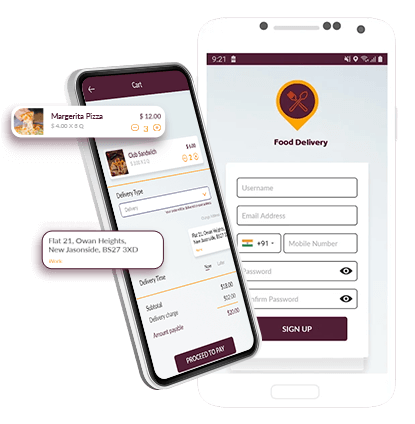
Developing apps can serve as an addition to your existing business or be utilized to establish a new venture from scratch. Whether you’re aiming to create an app like a food delivery clone app for your company or aspire to build the next Uber, this comprehensive guide is designed for anyone looking to develop a mobile app effectively.
How to Develop an App: This guide walks you through the best practices from start to finish. Feel free to navigate to the sections most relevant to your goals. Some of you may be starting with objectives such as:
Step 1: Specify Your Goals
Clearly defined goals will guide your entire development process. Without precise objectives from the outset, it’s easy to lose focus during app creation. Set measurable and achievable goals to act as your guiding star, ensuring consistent progress. These goals can relate to both user expectations and your business vision. It’s crucial to understand the difference between goals and objectives: goals describe the desired outcomes, while objectives are the actionable steps to reach those goals. Avoid limiting goals only to financial metrics; consider user engagement and other qualitative factors as well.
Step 2: Perform Market Research
Once you’ve set your goals, confirm there’s a genuine demand for your app. Every app idea sparks initial curiosity but validating your concept is essential before development. Launching an app without thorough market research risks wasting time, effort, and resources.
- Design and distribute surveys
- Conduct user interviews
- Perform competitive analysis
- Analyze priority features that will enhance user experience
If your app targets a new market, engage with your potential audience to understand their needs better and build a product that truly addresses them.
Step 3: Determine Your App Functionality
Each feature you add should align with your app’s core purpose. Keep in mind that additional features increase both development costs and timelines. Examples of popular app features include:
- Drag and drop interactions
- User authentication and access control
- GPS and location services
- Surveys and feedback forms
- Video, photo, and audio capabilities
- Booking and reservation systems
- Calendar integrations
- E-commerce shopping carts
- Menu authorization workflows
- Loyalty programs
- User manuals and help guides
Maintain simplicity especially in early development stages. For example, if your app’s main goal doesn’t center on geolocation, you might omit GPS features to streamline the process.
Step 4: Establish a Wireframe
Your wireframe doesn’t need to be detailed or visually perfect. Whether sketched on paper, a whiteboard, or created using digital wireframing tools, the wireframe should outline your app’s functionalities and workflow clearly. Focus on user flow and screen layout, rather than final design aesthetics. This early blueprint serves as a guide for both you and your development team.
Step 5: Choose Your Development Method
Before diving into development, identify the best approach for your unique situation. Consider factors such as budget, technical skills, app type, and time to market. Options may include native app development, cross-platform frameworks, or no-code/low-code platforms tailored to varying needs and resources.
Step 6: Investigate Existing Solutions
Research whether there are existing solutions that meet your app’s goals. Leveraging pre-built components like backend infrastructure, hosting services, analytics, and push notification tools can save considerable time and budget. For example, when developing a food delivery clone app, use reusable platforms or APIs that already handle common functionalities instead of building everything from scratch. This strategy accelerates your time-to-market and optimizes resource allocation. By completing thorough pre-development research, you validate your app idea and set the stage for efficient development.
Step 7: Technological Specification
The technical specifications form the backbone of your app’s architecture—the invisible components that power functionality. Collaborate with developers to review your wireframe and assess technical feasibility. They might suggest alternative solutions to meet your food delivery clone app objectives more efficiently. Early technical evaluation can save significant time and costs by preempting major challenges or redesign needs.
Step 8: Set Measurable Milestones
Breaking down your development roadmap into smaller, manageable milestones keeps your team focused and on schedule. Without clear benchmarks, tracking progress becomes challenging. Each milestone should have a deadline, ranging from a few days to a week depending on the complexity of the tasks. Tools like agile project management or Scrum methodologies are highly recommended for software development projects. Implement a robust progress-tracking system to ensure your team meets deadlines and allows for timely adjustments when needed.
Conclusion
Developing an app doesn’t have to be daunting. Whether you’re launching your first app or have experience with multiple projects, there’s always room for improvement. Avoid blindly hiring app development firms without clear planning and understanding. Nowadays, platforms like BuildFire enable you to create apps like a food delivery clone app even without coding skills. They can help you publish quickly on both the Apple App Store and Google Play Store. This comprehensive guide on how to develop an app is just one of many valuable resources offered by BuildFire, providing insights on app creation across various categories.
Additionally, if you want to learn more about Digitize Your Food Delivery Startup with an App, please visit our Daily Bites category.
In today’s fast-paced digital landscape, mobile apps have become essential tools for businesses to engage customers, streamline operations, and generate revenue. Understanding user needs and continuously iterating your app based on feedback greatly enhances its success. Integrating emerging technologies such as AI, AR, and chatbots can also provide competitive advantages and enriched user experiences. By staying informed about industry trends and continuously refining your app development strategy, you ensure your app remains relevant and impactful in an increasingly crowded marketplace.