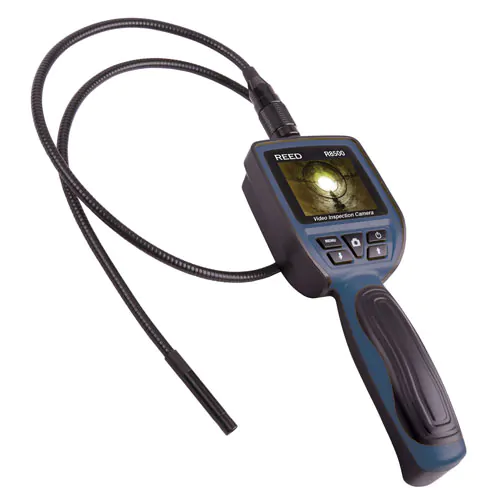
In industries demanding high efficiency and precision, accessing hard-to-reach areas can be challenging. Video inspection cameras offer an essential solution. These advanced devices feature user-friendly designs and high-resolution imaging capabilities, enabling professionals to inspect, diagnose, and resolve issues in tight or inaccessible spaces with ease.
What Is An Inspection Camera?
A video inspection camera is a compact, lightweight device featuring an ultra-high-resolution camera paired with flexible or rigid tubes and built-in lighting. Designed specifically for confined spaces, it delivers real-time visual information directly to a display screen. These versatile tools are widely utilized across industries such as construction, plumbing, aerospace, and automotive repair, allowing thorough inspections of tight spaces without the need for costly and time-consuming disassembly.
Applications Of Video Inspection Cameras
Thanks to their flexibility and precision, video inspection cameras serve various crucial roles across multiple industries. Here are some of the most common applications:
Plumbing Inspections
Plumbers rely on video inspection cameras to inspect pipes and drainage systems. These tools help accurately detect clogs, corrosion, leaks, and other plumbing issues without invasive methods.
Automotive Diagnostics
Mechanics use video inspection cameras to examine difficult-to-access components such as exhaust systems and engine parts, significantly reducing the need to dismantle major vehicle sections, thus saving time and labor costs.
Aerospace Industry
In aircraft maintenance, video inspection cameras enable engineers to inspect engines and structural components that are otherwise inaccessible, ensuring safety and optimal performance.
Construction And Building Maintenance
These cameras simplify inspections of HVAC systems, crawlspaces, behind walls, and other hidden areas, facilitating early detection of structural defects, electrical problems, mold growth, and more.
Industrial Equipment Maintenance
In industrial environments, video inspection cameras are vital for monitoring machinery and equipment, helping prevent unexpected downtime and maintain high productivity levels.
Benefits Of Using Video Inspection Cameras
Enhanced Adaptability
Equipped with flexible probes and compact designs, video inspection cameras provide unparalleled access to complex or confined areas, ensuring comprehensive inspections regardless of space constraints.
Time Efficiency
By eliminating the need for dismantling equipment or structures, video inspection cameras allow inspections to be conducted swiftly, reducing downtime and accelerating maintenance processes.
Cost Savings
These cameras help minimize invasive repairs and enable early detection of faults, significantly lowering repair expenses and avoiding costly operational disruptions.
Improved Accuracy
High-resolution imaging delivers crystal-clear visuals, enhancing precise identification of issues. Many modern models feature image capture and video recordings functions for thorough documentation.
Safety
Video inspection cameras enable remote examination of hazardous or confined environments, significantly reducing risks to personnel during inspections.
Qualities To Consider In A Video Inspection Camera
Selecting the right video inspection camera depends on your specific requirements. Key features to evaluate include:
Camera Resolution
Higher resolution cameras provide sharper images, critical for spotting fine details during inspections.
Flexibility
Flexible probes facilitate navigation through tight and complex spaces, enhancing inspection scope and maneuverability.
Lighting
Integrated LED lighting ensures clear visibility in dark or poorly lit areas, improving image quality and accuracy.
Durability
Opt for rugged designs built to withstand harsh environmental factors, especially for outdoor or industrial use.
Recording
Many modern inspection cameras include recording and storage capabilities, facilitating documentation, report generation, and analysis.
The Future Of Video Inspection Cameras
As technology advances, video inspection cameras are becoming more sophisticated, incorporating features such as wireless connectivity, augmented reality (AR) overlays, and AI-based diagnostic tools. These cutting-edge innovations enhance their ease of use, accuracy, and versatility, broadening their applications across diverse sectors. Additionally, the increasing emphasis on predictive maintenance and safety standards drives the growing adoption of video inspection technology. The integration of AI allows real-time analysis of captured footage, helping professionals identify issues faster and make data-driven decisions, reducing downtime and overall operational costs.
The demand for video inspection cameras is projected to rise steadily, given the growing importance of precise diagnostics and proactive maintenance across industries. These devices have become indispensable tools that enable professionals to conduct thorough inspections efficiently, enhancing operational safety and productivity. Continuous innovation promises an even more significant impact, positioning video inspection cameras at the forefront of maintenance and diagnostic technologies in the coming years.
With the rise of Industry 4.0 and smart manufacturing, video inspection cameras play a vital role in digital transformation. Integrating these cameras with IoT (Internet of Things) devices allows seamless data sharing and remote monitoring, empowering teams to conduct rapid, precise inspections from anywhere. This connectivity accelerates preventive maintenance schedules, reduces machine downtime, and optimizes resource allocation. Moreover, advancements in camera technology, such as 4K resolution and enhanced low-light performance, ensure inspections are more detailed and reliable than ever before. Investing in state-of-the-art video inspection systems is essential for businesses striving to maintain competitiveness in today’s fast-evolving market.
Conclusion
Video inspection cameras are powerful, versatile tools that simplify the challenge of inspecting confined or hard-to-access spaces. Widely adopted across numerous industries, they offer benefits such as enhanced accuracy, improved time efficiency, and considerable cost savings. Investing in this technology empowers professionals to diagnose and resolve issues more effectively, leading to better performance and heightened safety standards. As these devices continue to evolve with emerging technologies, their impact and utility will only grow, making them an indispensable component of modern inspection and maintenance practices.
If you are interested in learning more about “How Hybrid Power Solutions” please visit our tech category for comprehensive information and resources.
In addition to plumbing and automotive industries, video inspection cameras are also valuable in the construction sector, as they allow thorough inspections of tight spaces without the need for costly and time-consuming disassembly.
In addition to plumbing and automotive diagnostics, video inspection cameras are also extensively used in the construction industry for thorough inspections of tight spaces.
In addition to plumbing and automotive industries, video inspection cameras are also widely utilized in the construction sector, as highlighted in this article.
In addition to plumbing and automotive industries, video inspection cameras are also beneficial in the construction sector, as they allow thorough inspections of tight spaces without the need for costly and time-consuming disassembly.
In addition to plumbing and automotive industries, video inspection cameras are also beneficial in the construction sector, as they allow thorough inspections of tight spaces without the need for costly and time-consuming disassembly.
In addition to plumbing and automotive industries, video inspection cameras are also beneficial in the construction sector, as they allow thorough inspections of tight spaces without the need for costly and time-consuming disassembly.
In addition to plumbing and automotive industries, video inspection cameras are also widely utilized in the construction sector, as highlighted in this article.