In recent years, Smart TV app development has revolutionized how audiences engage with digital content, enabling users to seamlessly access streaming services, gaming, and interactive applications right from their living rooms. As smart TVs continue to gain popularity and boast enhanced processing power, the development of apps for these devices holds immense potential for developers and brands alike. This comprehensive guide explores the fundamentals of Smart TV app development—covering everything from platform selection to delivering an intuitive and immersive user experience.
Why Smart TV Apps?
Smart TVs have rapidly become a cornerstone of home entertainment, offering unparalleled opportunities for developers to engage with audiences on a large scale. With over 300 million smart TV households worldwide estimated as of 2024, the market demand for innovative applications is robust and growing. Smart TVs deliver high-definition visuals and premium audio, creating immersive experiences that outshine those offered by smaller mobile devices. Beyond traditional streaming platforms, smart TV apps now encompass a diverse range of genres, including fitness, education, gaming, and even interactive shopping, catering to a broad demographic spectrum. This expanding ecosystem allows developers and brands to effectively connect with consumers in one of the most impactful environments—the home living room screen. Our related guide, Unlocking the Power of IPOs, goes further into this.
Key Platforms for Smart TV App Development
Smart TV app development requires proficiency with various proprietary operating systems since there is no single standard across all devices. Samsung’s Tizen OS leads the market with millions of active users and robust developer resources through Tizen Studio, leveraging HTML5 and JavaScript for app creation. LG’s webOS provides an equally popular alternative, supported by the webOS TV SDK and an emulator that facilitates global app distribution via the LG Content Store. Android TV, recently rebranded as Google TV, powers prominent brands such as Sony and TCL, benefiting from extensive compatibility with Android apps and easy deployment via the Google Play Store.
Apple’s tvOS offers tight integration with the Apple ecosystem, utilizing Swift via Xcode to develop gesture-aware apps that work seamlessly with the Apple Siri Remote. Amazon Fire TV, built on an Android foundation and incorporating Alexa voice control, caters to interactive and voice-activated application development. Each platform boasts distinct features and developer tools, so selecting the ideal environment hinges on your target audience and the functionalities your app demands.
Development Basics: Building the App
Developing an app for smart TVs presents unique challenges compared to mobile app development. Initial steps include selecting a suitable framework tailored to your chosen platform—many support web technologies such as HTML5, CSS, and JavaScript, while Android TV and tvOS require native environments like Android Studio and Xcode, respectively. User interface design for large screens demands special attention to simplicity, with large, legible icons and fonts optimized for viewing from a distance. Layouts must be responsive and adaptable across various TV resolutions and screen sizes.
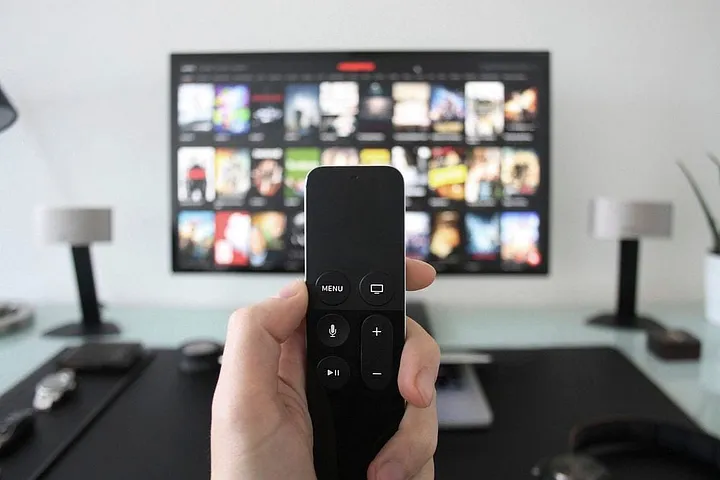
Furthermore, user experience design must accommodate remote-based navigation instead of touch input, emphasizing intuitive, minimalistic menus that reduce complexity. Optimizing loading times is crucial, as users expect fluid performance without lag. Integrating voice commands is increasingly essential, given that many smart TV models now support voice assistants, contributing to a more engaging and accessible user interaction model.
Testing and Optimization
After developing your app, comprehensive testing is critical to ensure smooth performance on a wide range of smart TV devices. While emulators offer valuable early-stage insights, real-device testing more accurately reflects the user experience across diverse hardware configurations. Bandwidth optimization is another key focus area, as most smart TVs rely on Wi-Fi connections that can vary in speed and stability. Efficient data handling guarantees that your app delivers high-quality audio-visual content without excessive buffering or data consumption, which directly influences user satisfaction and retention.
App Distribution and Marketing
Once testing is complete, app distribution involves submitting your application to various platform-specific app stores, each governed by distinct guidelines and approval processes. Familiarity with the submission criteria for Samsung, LG, Android TV/Google TV, Apple TV, and Amazon Fire TV is vital for smooth publication. Marketing efforts significantly impact an app’s visibility and adoption. Leveraging store features, targeted promotions, and partnering with influencers can amplify exposure. Additionally, executing social media campaigns and investing in paid ads help attract new users and establish a strong presence in the competitive smart TV app marketplace.
Trends in Smart TV App Development
The smart TV industry continues to evolve rapidly, with emerging trends reshaping app development strategies. Interactive and gamified apps are on the rise, providing users with engaging experiences beyond passive content consumption. Personalization powered by AI enhances content recommendations and integrates smart home controls, offering a seamless, customized user environment. The growth of hybrid or cross-platform apps allows developers to maximize reach while reducing development time by deploying a single code base across multiple operating systems.
Voice and gesture controls have gained widespread adoption, enabling hands-free navigation and richer interactivity—a feature increasingly expected by modern consumers. Additionally, harnessing AI-driven content discovery tools helps users effortlessly locate media tailored to their preferences, distinguishing apps in a saturated marketplace.
Getting Started with Smart TV App Development
For developers venturing into smart TV app development, identifying and understanding your target audience is paramount, as content needs and user behaviors vary significantly across demographics. Begin with one or two platforms that best align with your app’s objectives to streamline development and ensure quality. Prioritize optimizing app performance, minimizing load times, and offering a user-friendly experience to enhance engagement and retention. With strategic planning and execution, smart TV apps can unlock vast opportunities, delivering compelling home entertainment solutions that resonate deeply with users and foster brand loyalty.
As smart TV technology advances, the integration of cloud gaming and augmented reality (AR) features is also beginning to influence app development. Cloud gaming services, enabled by faster internet connections and cloud infrastructure, offer the potential for high-quality, console-like gaming experiences on smart TVs without the need for expensive hardware. Meanwhile, AR integration can provide innovative ways to enhance interactive content, such as immersive fitness programs or educational tools. Developers who embrace these technologies can differentiate their apps and deliver cutting-edge entertainment formats that appeal to tech-savvy audiences, further fueling the growth of the smart TV ecosystem.
Want to know about ‘Riley Gaines Husband: Everything You Need to Know About Her Personal Life‘ Check out our ‘Entertainment‘ category.
For those interested in exploring the potential of smart devices beyond TVs, check out this guide on How Hybrid Power Solutions and BESs Are Changing Energy Use in Construction.
As smart TVs continue to gain popularity and boast enhanced processing power, the development of apps for these devices holds immense potential for developers and brands alike. This is particularly true when considering the increasing focus on energy-efficient solutions in construction, as discussed in How Hybrid Power Solutions and BESs Are Changing Energy Use in Construction.
For those interested in exploring the potential of smart devices beyond TVs, check out this guide on How Hybrid Power Solutions and BESs Are Changing Energy Use in Construction.
As smart TVs continue to gain popularity and boast enhanced processing power, the development of apps for these devices holds immense potential for developers and brands alike. For instance, Gaming and Innovation How Might the Eventual Fate of Computer Games Advance explores this topic in detail.
For those interested in exploring the potential of smart devices beyond TVs, check out this guide on How Hybrid Power Solutions and BESs Are Changing Energy Use in Construction.
For those interested in exploring the potential of smart devices beyond TVs, check out this guide on How Hybrid Power Solutions and BESs Are Changing Energy Use in Construction.
For those interested in expanding their digital content offerings beyond streaming services, learning about How to Gain Real Interactive Followers on My Instagram Account could be beneficial.
For those interested in expanding their digital presence beyond streaming services, check out our guide on How to Gain Real Interactive Followers on My Instagram Account, which offers insights into social media engagement.