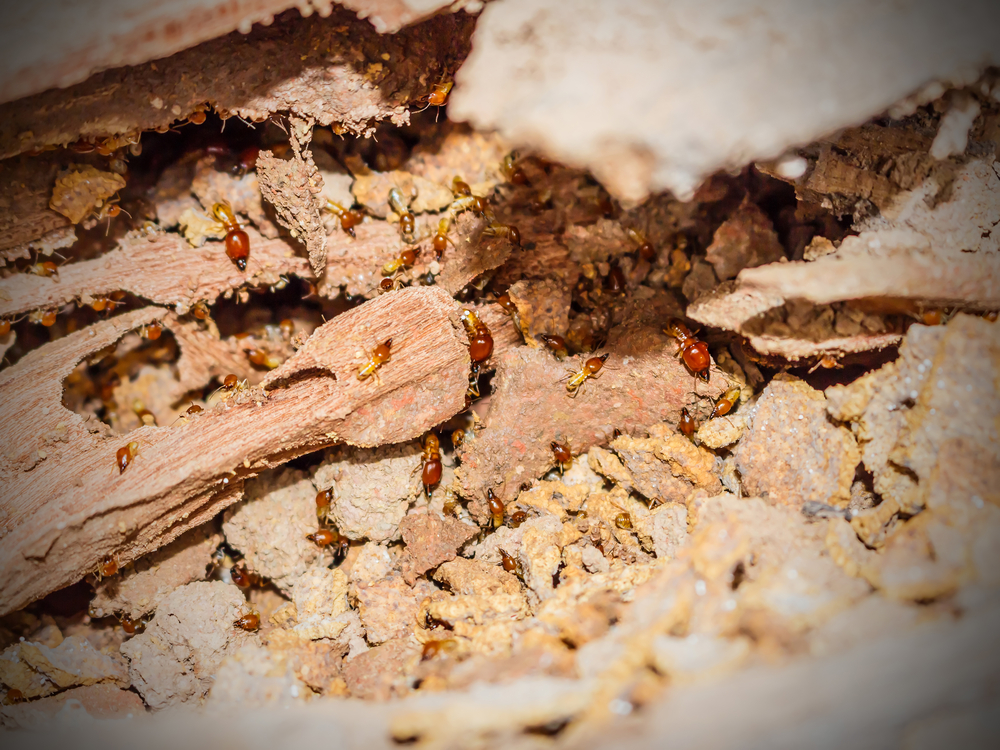
Termite infestations are renowned for causing severe structural damage to properties. These relentless pests never rest; termite workers continuously consume cellulose found in plant cell walls and wood materials—such as wooden furniture, floors, and walls—around the clock. Consequently, homeowners across the US incur an estimated over $6 billion annually in damages due to termite activity approximately .
A major challenge with termite problems is that detection often occurs too late—only after significant and visible structural damage has taken place. According to This Old House (2023), vigilance is essential, and immediate action is crucial when a termite infestation is suspected. Termites reproduce rapidly, with colonies multiplying into millions in no time. This exponential growth can quickly compromise a building’s structural integrity, sometimes leading to collapse if left untreated.
Signs You Have Termites
Early detection is vital to prevent termite damage from escalating. Homeowners and property managers should be aware of the following key signs that indicate a termite infestation:
Mud Tubes
- Termites build protective tunnels called mud tubes using mud, saliva, and dirt. These tubes are often visible on exterior walls and extend between their nest and their food source, providing a safe pathway for termites to travel.
Weird Tapping Sounds
- Termites communicate by banging their heads against tunnel walls, creating faint tapping noises. These sounds may be audible from ceilings, walls, floorboards, lofts, or basements and signal potential danger within the colony.
Bubbling Paint
- Bumpy or bubbling paint can be a sign of moisture buildup caused by termite activity underneath the surface, similar to water damage water damage. This may indicate a hidden infestation behind the walls.
Wood Damage
- Termites feed on cellulose in wood, causing structural damage. Check wooden structures for hollowness by tapping; hollow sounds or warped, buckled, or swollen wood and flooring may signal termite presence. Ignoring this damage may result in expensive structural repairs.
- Prompt termite treatment repairing wood rot in crawl space is essential once wood damage is detected to safeguard the home’s long-term integrity.
Termite Droppings
- Drywood termites leave behind small, wood-colored pellet droppings that accumulate near infested areas. These fecal pellets are distinct markers of drywood termite activity.
Swarmers
- Swarmers are reproductive termites with wings that emerge during mating seasons. They often shed their wings after swarming, leaving discarded wings and dead bodies near windowsills, doors, or other entry points in the house.
How to Control Termites
Once termites establish a colony in your home, they aim to consume all the wooden materials continuously. Significantly, swarmers can live up to 25 years, underscoring the importance of prompt control measures (Harris, 2023). Hiring a professional termite removal expert to handle an infestation termites infestation. is highly recommended. Additionally, homeowners can adopt preventive and DIY methods to help deter termites and minimize damage:
Use Termiticides
- Termiticides are specialized anti-termite chemicals that effectively eradicate termites. The EPA advises that chemical treatments be applied by licensed pest control professionals. Termiticides are odorless and undetectable by termites. For subterranean termites, pesticides are applied around woodworks; for drywood termites, holes are drilled into infested wood and filled with termiticide. Termites unknowingly spread the chemical within the colony, achieving widespread elimination.
Install Termite Baits
- Termite baits containing slow-acting toxins are placed around a home’s foundation to disrupt termite growth and reproduction. Termites transport the poison back to the colony, gradually eradicating the population within days to two weeks, depending on infestation severity.
Use Diatomaceous Earth
- Diatomaceous earth is a natural, powdery substance with microscopic sharp edges that can puncture and dehydrate termites’ exoskeletons. Spraying it over affected areas helps control infestations safely and chemically-free.
Spray Essential Oils
- Essential oils such as neem oil and orange oil are proven to kill drywood termites. Mix several drops of the essential oil with water and a few drops of dish soap, then spray the solution onto infested areas as a natural termite deterrent.
Set Up a Cardboard Trap
- Dampened cardboard pieces can attract subterranean and drywood termites because of the cellulose content inside. When placed together, termites crawl between the cardboard, becoming trapped. Once collected, the cardboard can be safely burned. While useful as a monitoring tool, this method alone may not eliminate major infestations.
Employ Beneficial Nematodes
- Beneficial nematodes are microscopic parasitic worms that infect and kill termites by entering their bodies and releasing lethal bacteria. These natural predators offer an eco-friendly biological control option.
Call the Professionals
Termites pose a serious threat to the structural integrity of your home. As a pest control expert in Loganville, PA highlights, “Implementing timely termite treatment is essential to prevent widespread damage.” To effectively eliminate termites and safeguard your property, professional pest management services are the best choice. Licensed technicians carry the right skills, tools, and treatments to ensure complete eradication and long-term prevention.
If you want to learn more about related pest control strategies, visit our Home Improvement category for detailed information on Silicone Sealant for Shower Glass.
To further protect your home, regular inspections by pest control professionals are recommended, especially in termite-prone regions. Integrating preventive landscaping practices—such as reducing wood-to-ground contact, promptly fixing leaks, and maintaining proper ventilation—can significantly reduce termite attraction. Additionally, sealing cracks and using termite-resistant building materials during construction or renovation help create an inhospitable environment for termites. Staying informed and proactive is key to preserving your property’s safety and value against these destructive pests.